

Techniques and Tips to Become a Successful Dropshipper in 2025

Are you dreaming of launching a thriving dropshipping business and building your own distinctive brand? Are you ready to dive into the competitive world of e-commerce and outshine your strong competitors?
That’s fantastic! To pave your way to success, it's crucial to immerse yourself in various strategies and continuously explore new marketing methods. However, mastering techniques and tactics is just one piece of the puzzle. To truly excel as a dropshipper, you need to embody certain qualities that make you well-suited for this dynamic business model.
In this blog, we’ll delve into the essential characteristics of a successful dropshipper, helping you assess whether dropshipping aligns with your personality and entrepreneurial spirit. Whether you're just starting out or looking to elevate your existing business, understanding these traits will empower you to thrive in the ever-evolving world of dropshipping.
How to Start Dropshipping for Free
What Does a Dropshipper Do?
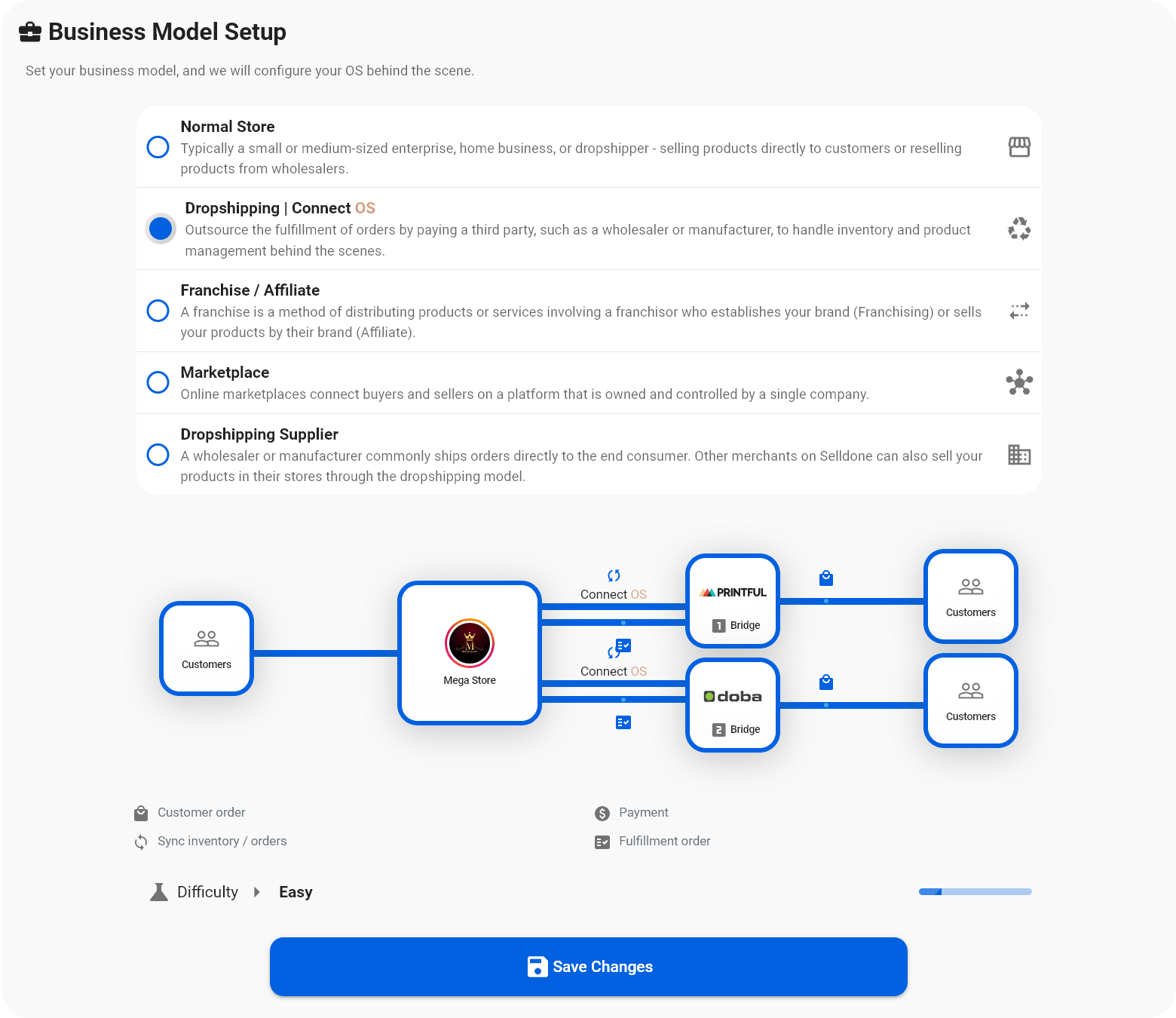
At the core of the dropshipping business model lies a unique set of responsibilities that distinguish dropshippers from traditional retailers. Unlike conventional businesses, dropshippers do not handle manufacturing, packing, or delivering products. Instead, their focus is on marketing and managing the customer experience. Let’s break down the key roles and responsibilities of a dropshipper:
Brand Promotion and Marketing
- Building Your Brand: Establishing a recognizable brand identity that resonates with your target audience.
- Marketing Strategies: Utilizing various marketing channels such as social media, email marketing, SEO, and paid advertising to drive traffic and sales.
- Content Creation: Developing engaging content, including blog posts, videos, and graphics, to attract and retain customers.
Customer Interaction and Support
- Handling Orders: Managing the entire order process from receiving customer orders to ensuring they are processed correctly.
- Customer Service: Providing excellent customer support by answering inquiries, resolving issues, and offering assistance with product usage.
- Follow-Ups: Keeping in touch with customers post-purchase to ensure satisfaction and encourage repeat business.
Supplier Coordination
- Maintaining Relationships: Building and maintaining strong relationships with reliable suppliers to ensure product quality and timely fulfillment.
- Order Management: Placing orders with suppliers as soon as a customer makes a purchase, ensuring quick turnaround times.
- Inventory Monitoring: Keeping track of supplier inventory to prevent stockouts and backorders.
Quality Assurance
- Product Selection: Carefully selecting products that align with your brand and meet customer needs.
- Review Management: Monitoring product reviews and feedback to maintain high standards and address any quality issues promptly.
To visualize these responsibilities, here’s a handy table summarizing the primary duties of a dropshipper:
| Responsibility | Description |
|---|---|
| Brand Promotion | Establish and market your brand through various channels |
| Customer Service | Provide support, handle inquiries, and manage customer relationships |
| Supplier Coordination | Manage relationships and orders with suppliers to ensure smooth operations |
| Order Management | Oversee the entire order process from placement to delivery |
| Quality Assurance | Select quality products and monitor customer feedback for continuous improvement |
Now that you have a clear understanding of what a dropshipper does and the key interactions involved, let’s explore the essential characteristics that can help you excel in this field.
What Are the Needed Characteristics of an Ideal Dropshipper?
Success in dropshipping isn’t just about understanding the logistics; it also hinges on possessing certain personal and professional traits. Here are the key characteristics that can set you apart and drive your dropshipping business forward:
1. Customer-Centric Mindset
As a dropshipper, you act as the bridge between suppliers and customers. Prioritizing customer satisfaction is crucial. Here’s how you can embody a customer-centric approach:
- Patience in Communication: Respond to customer inquiries and concerns with patience and clarity.
- Proactive Follow-Ups: Regularly check in with customers to ensure they are satisfied with their purchases.
- Assistance with Products: Offer guidance on how to use products effectively, enhancing the overall customer experience.
- Informing About New Features: Keep customers updated on new product features, updates, or upcoming releases to maintain their interest and trust.
2. Creativity
In a crowded market with platforms like Selldone, Amazon, Shopify, and Oberlo dominating the scene, creativity is your key differentiator. Here’s how to harness creativity in your dropshipping business:
- Unique Branding: Develop a distinctive brand identity that stands out and appeals to your target audience.
- Innovative Marketing Campaigns: Craft creative and engaging marketing campaigns that capture attention and drive conversions.
- Product Presentation: Showcase your products in unique and appealing ways through high-quality images, videos, and descriptions.
- Exceptional Services: Offer services that go above and beyond standard expectations, such as personalized recommendations or exclusive deals.
3. Strong Communication Skills
Effective communication is vital for maintaining relationships with both suppliers and customers. This involves:
- Clear Messaging: Communicate clearly and effectively in all your interactions, ensuring that information is easily understood.
- Negotiation Skills: Negotiate favorable terms with suppliers to secure better prices and reliable service.
- Responsive Support: Provide timely and helpful responses to customer inquiries and support requests.
4. Adaptability and Continuous Learning
The e-commerce landscape is constantly evolving. To stay ahead, you must be adaptable and committed to continuous learning:
- Staying Updated: Keep abreast of the latest trends, tools, and technologies in the dropshipping industry.
- Flexibility: Be willing to pivot your strategies based on market changes and customer feedback.
- Skill Development: Continuously enhance your skills in areas like digital marketing, SEO, and data analysis to improve your business operations.
5. Organizational Skills
Managing a dropshipping business requires juggling multiple tasks efficiently. Strong organizational skills can help you:
- Manage Time Effectively: Prioritize tasks to ensure that important aspects of your business are handled promptly.
- Track Orders and Inventory: Keep meticulous records of orders, inventory levels, and supplier communications to avoid errors and delays.
- Streamline Processes: Develop efficient workflows to handle repetitive tasks, freeing up time for strategic planning and growth.
6. Analytical Thinking
Making informed decisions is essential for the success of your dropshipping business. Analytical thinking enables you to:
- Analyze Data: Use analytics tools to monitor website traffic, sales performance, and customer behavior.
- Identify Trends: Spot emerging trends and adjust your product offerings and marketing strategies accordingly.
- Optimize Performance: Continuously evaluate and refine your business processes to improve efficiency and profitability.
Let It Go Sometimes!
Embarking on a dropshipping journey can be exhilarating, but it also comes with its fair share of challenges. As a newcomer, you'll find yourself juggling multiple tasks simultaneously. It's easy to get bogged down by the minutiae, but dwelling too much on the small details can hinder your progress. Here’s how to navigate these early stages effectively:
Prioritize and Simplify
When you're just starting out, it's crucial to prioritize tasks and simplify your approach. Overthinking minor aspects can lead to unnecessary delays and burnout. Instead, focus on what truly matters for your business growth.
- Avoid Perfection Paralysis: Striving for perfection in every detail can be overwhelming. Accept that your initial setup doesn't need to be flawless. You can always make improvements as you grow.
- Time Management: Allocate your time wisely by identifying high-impact activities. Use tools like Trello or Asana to keep track of tasks and deadlines.
Start Without Breaking the Bank
One common misconception is that you need substantial capital to kickstart a dropshipping business. The truth is, you can begin with minimal funds. Here's how:
- Leverage Free Platforms: Utilize free e-commerce platforms like Shopify's basic plan or WooCommerce to set up your store without hefty upfront costs.
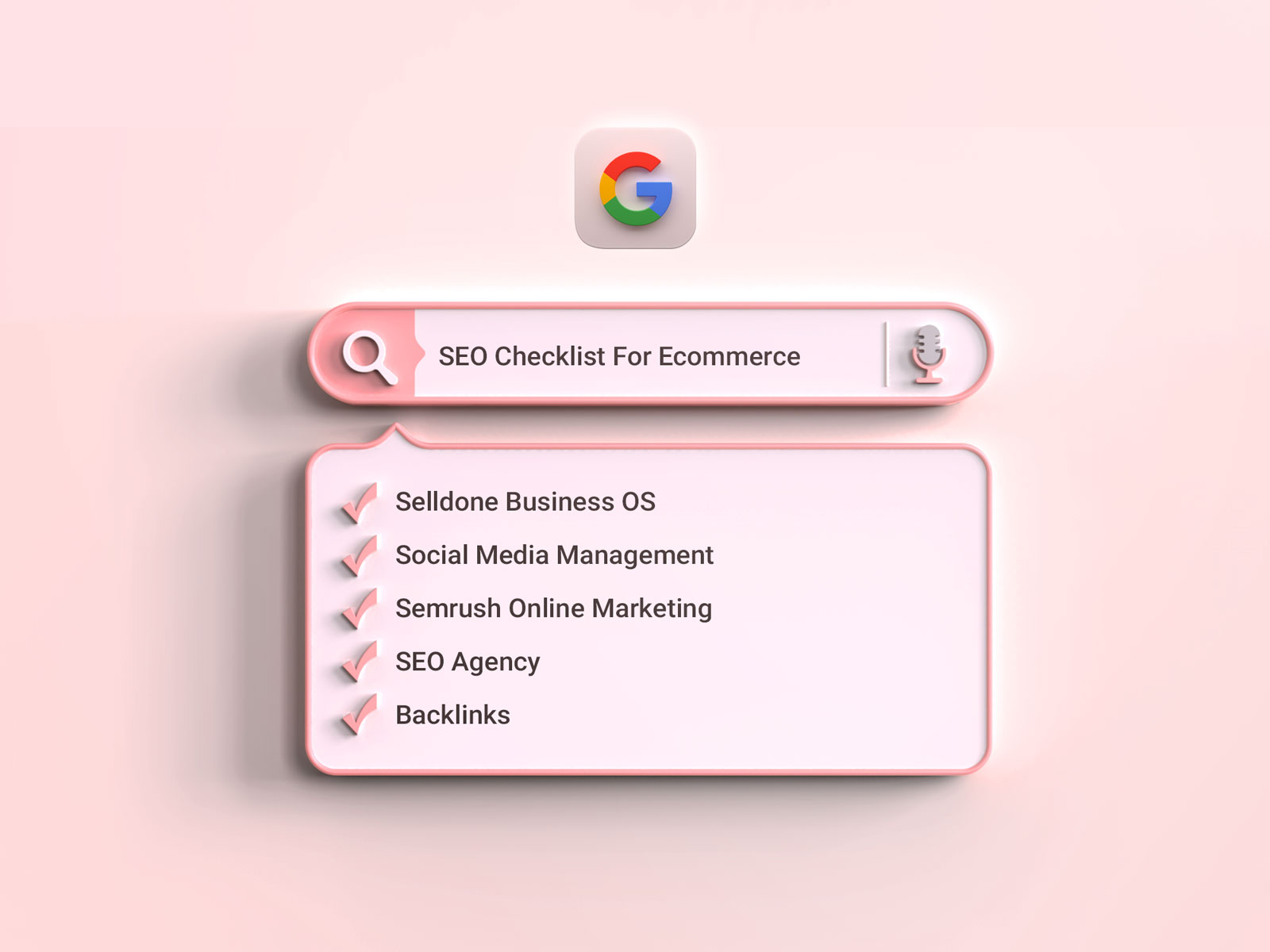
- Cost-Effective Marketing: Start with organic marketing strategies such as social media marketing, content marketing, and SEO to drive traffic without spending a fortune.
- Dropshipping Tools: Many dropshipping tools offer free trials or affordable plans. Tools like Oberlo or AliExpress can help you manage your products and orders efficiently.
Focus on What Matters Most
In the early stages, it's essential to focus on marketing and sales rather than getting caught up in every detail of your online store's design.
- Effective Marketing: Invest your time in creating compelling marketing campaigns that attract and convert customers. This includes social media advertising, email marketing, and influencer partnerships.
- Sales Optimization: Continuously analyze your sales funnel to identify and eliminate bottlenecks. Tools like Google Analytics can provide valuable insights into customer behavior and preferences.
Prioritizing Tasks
| Priority Level | Tasks to Focus On | Tasks to Defer |
|---|---|---|
| High | Marketing campaigns, customer service, order management | Perfecting website design, extensive inventory expansion |
| Medium | SEO optimization, social media engagement | Developing custom features, advanced analytics setup |
| Low | Aesthetic enhancements, non-essential plugins | Extensive brand storytelling, complex automation |

Be Patient and Persistent
Success in dropshipping doesn’t happen overnight. Patience and persistence are your best allies on this journey.
Embrace the Learning Curve
Understand that the initial months might not bring in significant profits. Use this time to learn and adapt:
- Monitor Performance: Regularly track your sales, website traffic, and marketing efforts. Identify what's working and what needs improvement.
- Iterate and Improve: Based on your observations, make informed adjustments to your strategies. This continuous improvement cycle is key to long-term success.
Handling Challenges with Grace
Dealing with unhappy customers and unreliable suppliers can be draining, especially in the beginning. Here’s how to stay resilient:
- Customer Support Excellence: Always respond to customer complaints with empathy and promptness. Turning a negative experience into a positive one can build trust and loyalty.
- Supplier Relationships: Maintain open and honest communication with your suppliers. If issues arise, address them promptly and seek mutually beneficial solutions.
Stay Focused on Your Goals
Persistence means staying committed to your vision despite setbacks. Keep your long-term goals in sight and stay motivated:
- Set Milestones: Break down your larger goals into smaller, achievable milestones. Celebrate each victory to maintain momentum.
- Seek Support: Join dropshipping communities, attend webinars, and connect with mentors who can provide guidance and encouragement.
Stay Current
In the ever-evolving world of e-commerce, staying up-to-date with market trends and customer preferences is essential for maintaining a competitive edge.
Market Research and Trend Analysis
Regularly conduct market research to stay informed about the latest trends and shifts in consumer behavior:
- Use Analytical Tools: Platforms like Google Trends, SEMrush, and Trend Hunter can help you identify emerging trends and popular products.
- Competitor Analysis: Keep an eye on your competitors to understand their strategies and identify opportunities for differentiation.
Adapt to Customer Needs
Understanding and adapting to your customers’ evolving needs can set you apart from the competition:
- Feedback Collection: Encourage customers to provide feedback through surveys, reviews, and direct interactions. Use this information to refine your offerings.
- Personalization: Tailor your marketing messages and product recommendations based on customer preferences and behavior.
Innovate and Introduce New Features
Don’t hesitate to introduce new features and products that enhance the customer experience:
- Product Expansion: Regularly add new products that complement your existing range and meet customer demands.
- Website Enhancements: Implement features like live chat, advanced search filters, and personalized recommendations to improve user experience.
Staying Current with Trends
| Action | Description | Tools/Resources |
|---|---|---|
| Trend Identification | Discover emerging trends and popular products | Google Trends, SEMrush, Trend Hunter |
| Customer Feedback | Gather and analyze customer opinions and suggestions | SurveyMonkey, Google Forms |
| Competitor Monitoring | Track competitor activities and strategies | SimilarWeb, Ahrefs |
| Product Updates | Regularly introduce new products based on market research | Product sourcing platforms like AliExpress |
| Marketing Innovations | Experiment with new marketing techniques and channels | Social media platforms, email marketing tools |
Best and Worst Dropshipping Products
Don’t Even Think About Dropshipping If You Have These Traits!
Now that we’ve covered the essential qualities of a successful dropshipper, let’s take a look at traits that may not mesh well with the dropshipping lifestyle. Running a dropshipping business demands a specific mindset, so if you find that any of the following characteristics sound like you, it may be worth considering other ventures. Generally, if you:
- Dislike interacting or communicating with people: Dropshipping requires you to interact with both customers and suppliers regularly. If you’re not interested in customer service or negotiation, this may not be the best fit.
- Lack a clear vision for your business: Dropshipping success often hinges on setting clear goals and building a distinctive brand. If you’re unsure of your direction, it might be tough to stand out.
- Struggle with impatience: The dropshipping journey has ups and downs, and profits often take time. Without patience, frustration can easily set in.
- Get frustrated easily: Dropshipping has its fair share of challenges, from inventory issues to shipping delays. Resilience is key to pushing through setbacks.
- Find multitasking difficult: Juggling multiple tasks, from order management to marketing, is part of the daily grind. If multitasking feels overwhelming, dropshipping might be a challenging path.
If these sound like deal-breakers, another career path may be more enjoyable for you. But remember, these are skills and characteristics you can work on over time. With effort, you can develop the mindset needed for a successful dropshipping journey!
Who Are the Most Successful Dropshippers? [Real-Life Examples]
While you may be familiar with large dropshipping companies employing hundreds of staff, it’s also inspiring to learn about individuals who started small and turned their ventures into highly profitable businesses. Here are some real-life examples of successful dropshippers who grew their businesses from scratch, proving what’s possible with persistence and innovation:
1. Andreas and Alexander – Pet Products Empire
Starting with a vision to sell pet products, Andreas and Alexander faced numerous challenges and failures along the way. Their persistence paid off, and they now generate over $10 million annually, having started from a monthly revenue of $500,000.
2. Harry Coleman – The eBay Seller Turned Dropshipping Giant
Initially importing products from the US to sell in the UK on eBay, Harry Coleman took the leap into dropshipping despite the frustrations and obstacles. Today, he runs three dropshipping businesses on Shopify, and in 2018, his revenue reached a staggering $5 million.
3. Alex Philip – The Young Entrepreneur
Alex Philip began his dropshipping journey at an impressive age—11! Now just 15, he’s already making $2 million annually, showing that age is no barrier to success in this industry.
4. Pierre Emmanuel – From Failure to Fortune
Pierre’s first years in dropshipping were tough, but his perseverance paid off. After extensive research and dedication, he now enjoys an annual revenue of $1.6 million.
5. Irwin Dominguez – The Marketer’s Advantage
With a background in marketing, Irwin had a head start in understanding how to attract customers. He quickly scaled his dropshipping business, generating $10,000 a day and earning a yearly revenue of around $1 million.
6. Alex Ikonn and Mimi – Luxy Hair Sensations
Alex and Mimi’s business, Luxy Hair, is a prime example of the power of social media. By leveraging YouTube, Instagram, and Facebook, they attracted a large audience and turned Luxy Hair into a multi-million-dollar brand.
7. Mike and Yuliya Pavlou – Email Marketing Experts
Mike and Yuliya mastered the art of email marketing, allowing them to build a loyal customer base and retain clients effectively. Today, they’re millionaire dropshippers, thanks to their targeted retention strategies.
8. Adam Greenspan – Wallplate Warehouse
Adam Greenspan’s dropshipping business, Wallplate Warehouse, is over 16 years old. Starting with a modest revenue of $102,000 per month, he scaled to millions per year, even competing with major companies like Amazon and Home Depot.
These success stories are a testament to the potential of dropshipping, especially for those who stay resilient, experiment with marketing techniques, and adapt to changes. Remember, there’s no single path to success; each of these entrepreneurs carved out their unique approach, and with the right mindset and strategies, you can too!
Advantages and Disadvantages of Dropshipping

Embracing the Journey to Become a Successful Dropshipper
In this blog, we've explored the essential traits that define a successful dropshipper. However, if you find yourself lacking in some of these areas, don't be discouraged! The beauty of entrepreneurship lies in its capacity for personal growth and development. With dedication and effort, you can cultivate the necessary skills and mindset to thrive in the dropshipping arena.
Overcoming Challenges with the Right Support
Embarking on the dropshipping journey is not without its hurdles. Every successful dropshipper has faced and conquered numerous challenges along the way. To navigate these obstacles more effectively, having a reliable partner can make all the difference. This is where Selldone comes into play.
Why Choose Selldone as Your E-commerce Partner?
Selldone offers a comprehensive suite of services designed to simplify and enhance your dropshipping experience:
Effortless Online Store Setup: Selldone takes the hassle out of building your online presence by creating a professional website and setting up an online shop for your products. This allows you to focus on what matters most—growing your business.
Mobile Application Integration: In today's mobile-centric world, having your store accessible via an application is a significant advantage. Selldone ensures your products are available to customers on the go, enhancing user experience and expanding your reach.
Cost-Effective Solutions: One of the standout features of Selldone is that all these services are offered for free. This means you can allocate your resources to other critical aspects of your business, such as marketing and inventory management.
Key Features of Selldone
To give you a clearer picture, here's a breakdown of what Selldone brings to the table:
| Feature | Description |
|---|---|
| Website Creation | Professional and customizable website tailored to your brand. |
| Online Shop Setup | Seamless integration of product listings, categories, and payment gateways. |
| Mobile Application | Dedicated app to provide customers with a smooth shopping experience. |
| User-Friendly Interface | Intuitive dashboard for easy management of products, orders, and customer interactions. |
| Marketing Tools | Built-in tools to assist with SEO, email marketing, and social media integration. |
| Analytics and Reporting | Comprehensive insights into sales performance, customer behavior, and market trends. |
Taking the Next Step
With Selldone as your ally, you can embark on your dropshipping journey with confidence. The platform's robust features and user-centric design provide the support you need to overcome challenges and achieve success. Remember, the path to becoming a successful dropshipper is a marathon, not a sprint. Equip yourself with the right tools, stay committed to continuous improvement, and watch your business flourish.
 Add Comment
Make Your Business Online By The Best No—Code & No—Plugin Solution In The Market.
30 Day Money-Back Guarantee
Create Your E-commerce Store Start now — it's freeSay goodbye to your low online sales rate!
FAQ
What is dropshipping?
Dropshipping is a retail fulfillment method where you, the seller, don’t keep products in stock. Instead, you purchase the item from a third party, usually a wholesaler or manufacturer, who then ships it directly to the customer. You handle marketing, customer service, and order management, while the supplier manages inventory and delivery.
How do I start a dropshipping business with no money?
Starting a dropshipping business with little to no capital is possible. Here are some steps:
- Choose a niche based on current trends or products with high demand.
- Use free e-commerce platforms or social media to promote your products.
- Leverage organic marketing methods like social media posts and SEO.
- Consider starting with a platform that offers a free trial or a low-cost plan.
How does Selldone support my dropshipping business?
Selldone provides a range of tools to help dropshippers succeed:
- Website Setup: Selldone builds a professional website for your business at no cost.
- Mobile Application: Your store is accessible via an app, making it easier for customers to shop on mobile devices.
- Marketing Tools: Selldone includes tools for email marketing, social media integration, and SEO to help you attract and retain customers.
How do I find my niche for dropshipping?
Finding the right niche is crucial for success in dropshipping. Here are some steps to help you identify a profitable niche:
- Research Market Demand: Use tools like Google Trends, Keyword Planner, and SEMrush to see what products or categories are trending.
- Identify Your Interests: Start with areas you're passionate about. This can make it easier to market your products and engage with customers authentically.
- Analyze the Competition: Check competitors in your potential niche. High competition may indicate strong demand, but consider how you can differentiate yourself.
- Evaluate Profitability: Look at profit margins to ensure your niche can be lucrative. Avoid products with low profit margins or heavy shipping costs.
- Consider Customer Needs: Think about what problems your target audience faces and how your products can solve them. Solving specific problems often leads to a loyal customer base.
Remember, finding the right niche may take some experimentation, so start small and test your ideas before committing fully!
How can I build a brand in dropshipping?
Branding is crucial for standing out in the competitive dropshipping market. Here are some steps to build a recognizable brand:
- Define your unique selling proposition (USP) and create a clear brand message.
- Choose a memorable brand name and logo that represent your niche.
- Ensure consistency across all platforms—website, social media, and marketing materials.
- Provide excellent customer service to build trust and customer loyalty.
What are the typical challenges in dropshipping?
Some common challenges in dropshipping include:
- Competition: The low barrier to entry means many sellers may offer similar products.
- Inventory Management: Since you rely on suppliers, keeping track of stock can be challenging.
- Shipping Times: Depending on your supplier’s location, delivery times may vary, affecting customer satisfaction.
- Quality Control: You rely on suppliers for product quality, so it’s essential to choose reliable ones.