How to Build a Highly Profitable Marketplace with Selldone
The future of e-commerce is no longer about building another simple online store.
The biggest opportunity today is building niche marketplaces.
Instead of selling only your own products, a marketplace allows hundreds or even thousands of vendors to sell through your ecosystem while you monetize the platform itself.
This is why companies like Amazon, Etsy, Fiverr, Airbnb, eBay, and Envato became so powerful:
They built ecosystems, not just stores.
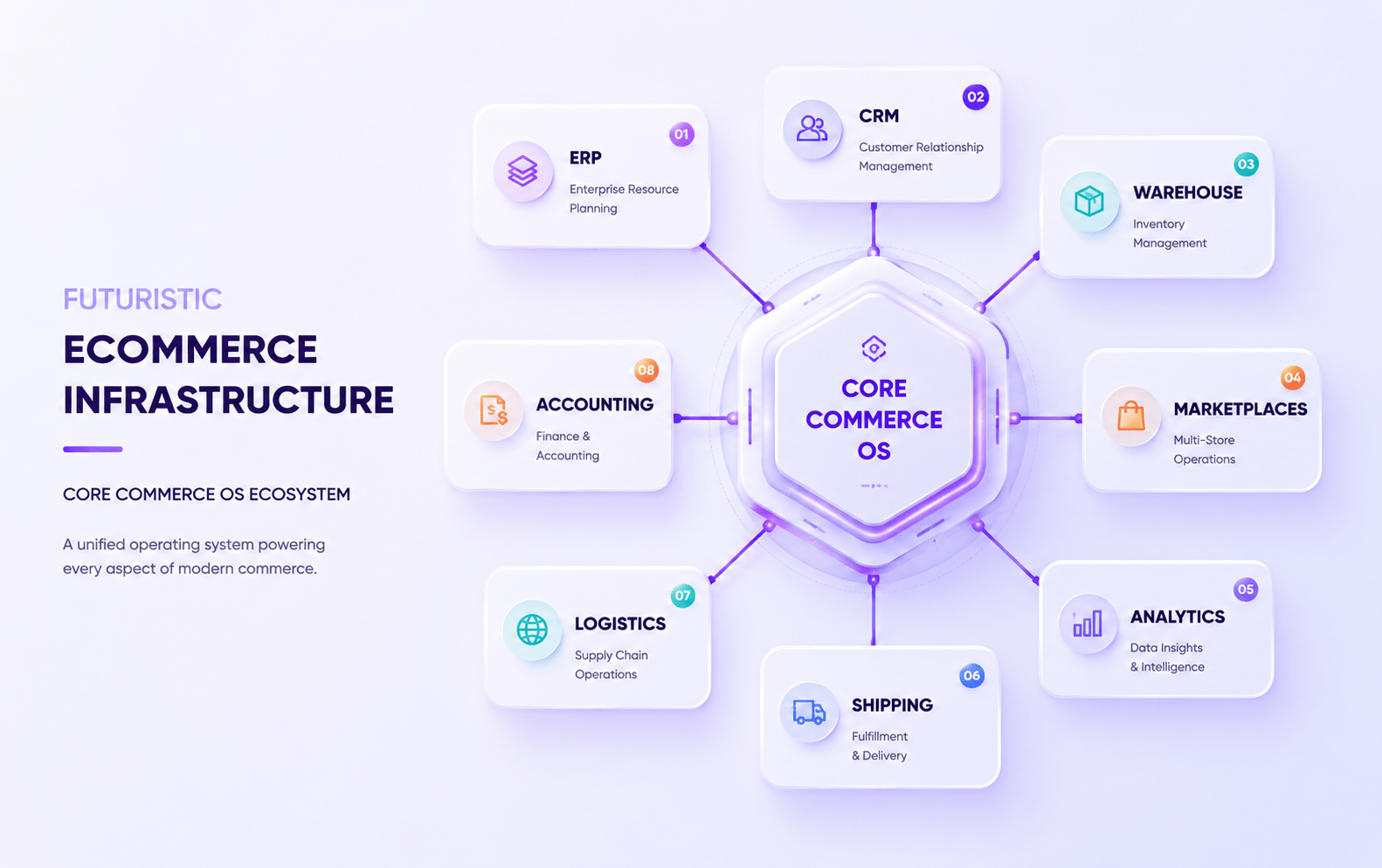
Today, with Selldone Marketplace Builder, entrepreneurs can launch advanced multi-vendor marketplaces without spending millions of dollars on infrastructure, engineering teams, plugins, integrations, servers, or maintenance.
Instead of worrying about technical complexity, founders can focus on:
Growing vendors
Building communities
Increasing transaction volume
Marketing
Expanding revenue streams
And that changes everything.

Vendors See YOUR Brand — Not Selldone
One of the most powerful advantages of Selldone is that your marketplace runs completely under your own brand and domain.
Your vendors do not need to know anything about Selldone.
From their perspective:
They join YOUR marketplace
They log into YOUR branded platform
They manage products on YOUR domain
They receive orders from YOUR ecosystem
This creates a true white-label marketplace experience.
You are not sending vendors to a third-party platform.
You are building your own independent business asset and brand authority.
This is extremely important for long-term growth because your marketplace becomes a real company with its own identity rather than “just another store built on a platform.”
Why Marketplaces Are So Powerful
A traditional online store sells its own products.
A marketplace sells everyone’s products.
That means:
More products
More vendors
More SEO pages
More traffic
More recurring revenue
Faster scaling
Lower operational risk
The beauty of marketplaces is that vendors help grow your platform for you.
Every new vendor:
Adds inventory
Brings customers
Creates content
Expands your reach
Improves SEO
Generates transactions
This creates compounding growth.
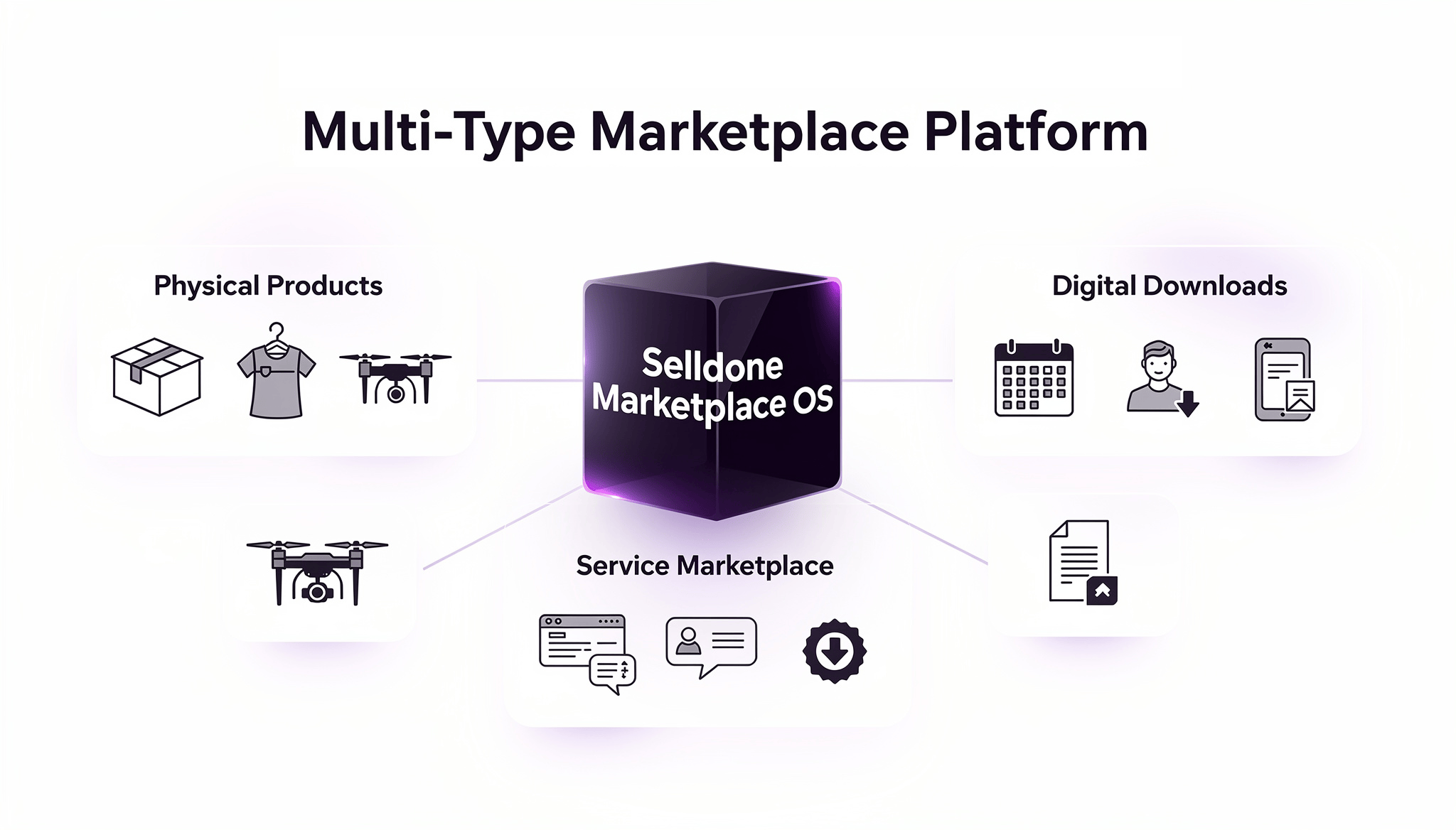
Physical Product Marketplaces
Physical product marketplaces are the most familiar and scalable marketplace model.
Examples include:
Fashion marketplaces
Handmade products
Electronics
Pet products
Beauty products
Local food
Furniture
Wine marketplaces
Print-on-demand ecosystems

With Selldone, every vendor receives a dedicated vendor panel where they can:
Add products
Manage pricing
Handle inventory
Upload shipping methods
Track orders
Fulfill products independently
Meanwhile, the marketplace owner controls:
Commission fees
Vendor approvals
Featured placements
Promotions
Marketing
Product moderation
Platform branding
Lower Commission = Faster Marketplace Growth
One of the smartest strategies is charging lower commissions than giant marketplaces.
Instead of taking massive percentages like Amazon or eBay, you can position your marketplace as:
“Vendor-friendly.”
This is extremely attractive because many sellers are tired of paying huge fees to large platforms.
You can tell vendors:
“Instead of giving large percentages to giant marketplaces, invest more into your own business growth.”
This creates:
Better vendor loyalty
Faster onboarding
Higher retention
Better pricing competitiveness
Faster ecosystem growth
Example Revenue — Physical Product Marketplace
Imagine your marketplace has:
300 active vendors
If each vendor generates:
$3,000 monthly sales
Your marketplace GMV becomes:
$900,000/month
With only:
7% marketplace commission
Your marketplace generates:
$63,000/month revenue
Over $750,000/year
And because vendors manage inventory, fulfillment, and shipping themselves, operational complexity remains dramatically lower than traditional retail businesses.
Now imagine scaling to:
1,000 vendors
5,000 vendors
Multiple countries
This is where marketplace businesses become incredibly powerful.
No Warehouse, No Inventory, No Shipping Headaches
Traditional e-commerce businesses usually require:
Inventory management
Warehousing
Packaging
Shipping operations
Logistics coordination
But marketplaces work differently.
Selldone automatically splits orders between vendors so:
Vendor A ships their products
Vendor B fulfills independently
Vendor C handles their own operations
The marketplace owner does not need to operate warehouses or manage shipping logistics.
Even better:
vendors can configure their own shipping methods directly inside the marketplace.
This dramatically reduces startup costs and operational complexity.
Vendor Memberships — The Secret Recurring Revenue Engine
One of the most powerful monetization strategies is charging vendors monthly subscription fees.
Instead of relying only on transaction commissions, vendors can pay monthly for:
Marketplace access
Premium visibility
Verified badges
Featured placements
Analytics
Better ranking
Advanced tools
This creates predictable recurring revenue.
But there is another psychological advantage:
Subscription-based marketplaces usually attract higher-quality vendors.
Why?
Because when vendors pay to join, the platform immediately feels more professional and valuable.
It creates exclusivity.
Example Revenue — Vendor Memberships
Imagine:
300 vendors
paying:$49/month membership
That already creates:
$14,700/month recurring revenue
Over $176,000/year
Before commissions, sponsorships, or advertising revenue.
This means your marketplace can generate stable predictable income even during slower sales periods.
Digital File Marketplaces
Digital marketplaces are one of the highest-margin online business models.
Examples:
Ebooks
Courses
Templates
Design assets
Music
Plugins
Advantages include:
No shipping
No inventory
Global reach
Instant delivery
Extremely low operational costs
Very high scalability
You can build highly specialized marketplaces around almost any niche:
Architecture resources
Coding assets
AI templates
Marketing tools
Educational materials
Business systems
Digital Marketplaces Often Have HIGHER Commissions
One of the biggest advantages of digital marketplaces is that commissions are usually much higher than physical marketplaces.
Many major platforms charge:
15%
20%
30%
Sometimes even 50%
Because:
There is no shipping
Margins are high
Distribution matters
Audience access is valuable
This means digital marketplaces can become extremely profitable even with relatively small teams.
Example Revenue — Digital File Marketplace
Imagine a marketplace with:
500 creators
Processing:
$250,000 monthly sales
With:
15% platform commission
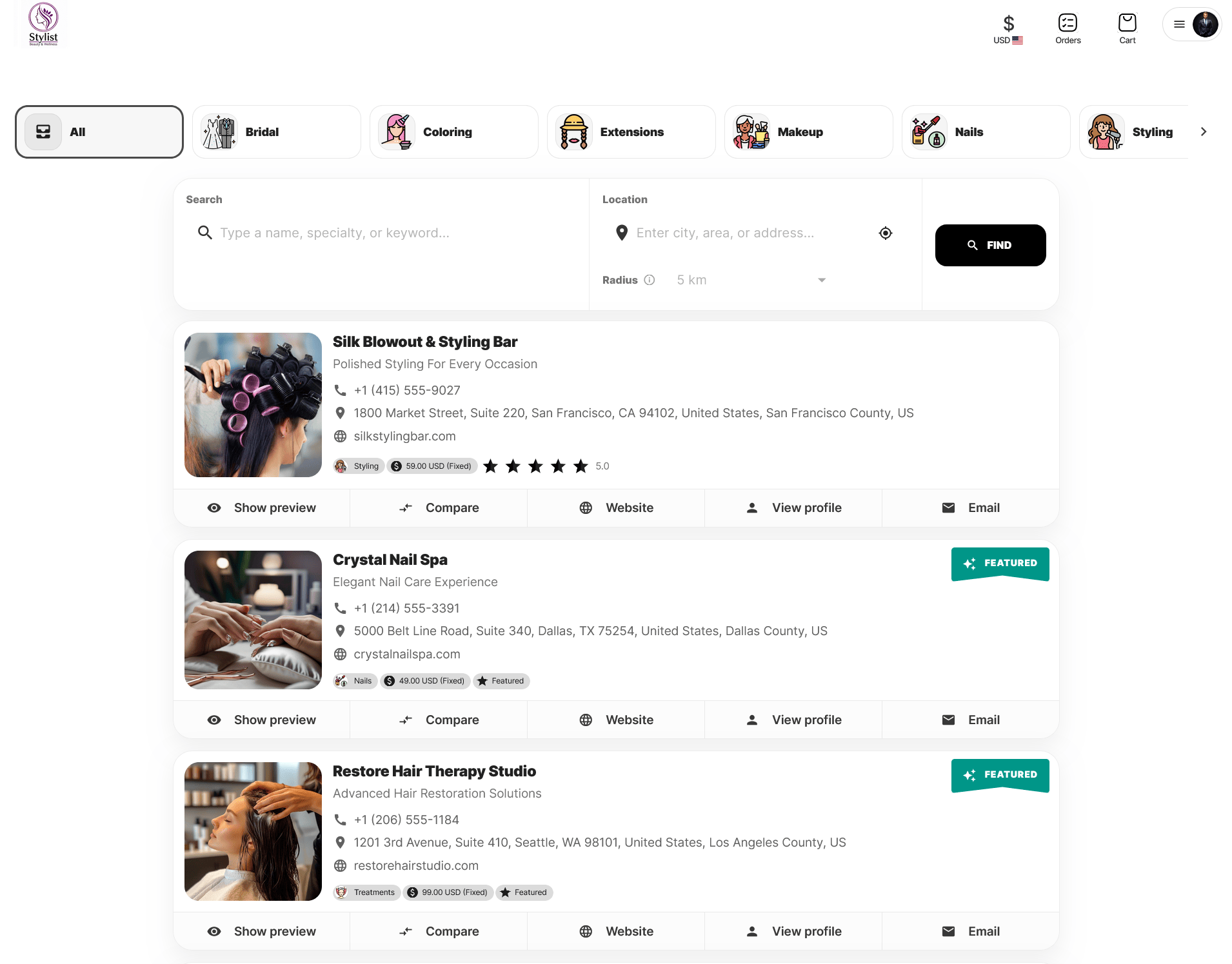
The marketplace generates:
$37,500/month revenue
$450,000/year
Without warehouses, packaging, inventory, or shipping operations.
This is why digital marketplaces are among the most scalable online businesses.
Virtual Product Marketplaces
Virtual products are different from downloadable files.
Examples include:
Gift cards
Software licenses
Activation keys
API credits
Membership codes
Gaming keys
Recharge cards
Event access
This business model is incredibly powerful because:
Delivery is instant
Operations are lightweight
Margins are high
Scaling is easy
With Selldone, vendors can fully automate this process and customers receive access immediately after payment.
Service Marketplaces
Service marketplaces are becoming one of the fastest-growing marketplace categories online.
Examples:
Lawyers
Doctors
Freelancers
Consultants
Tutors
Coaches
Repair services
Booking systems
Unlike physical products, service marketplaces have:
No inventory
No warehouses
No shipping
Lower startup risk
Lower operational complexity
This makes them ideal for founders who do not want to manage logistics.

Service providers handle the actual work while the platform earns revenue through:
Platform commissions
Booking fees
Memberships
Featured providers
Advertising
Lead generation
Example Revenue — Service Marketplace
Imagine:
2,000 monthly bookings
With:
$120 average order value
That creates:
$240,000 monthly transaction volume
With:
12% marketplace fee
Your marketplace generates:
$28,800/month revenue
Before premium memberships and advertising revenue.
And because there is no physical fulfillment, operational complexity stays significantly lower than physical retail.
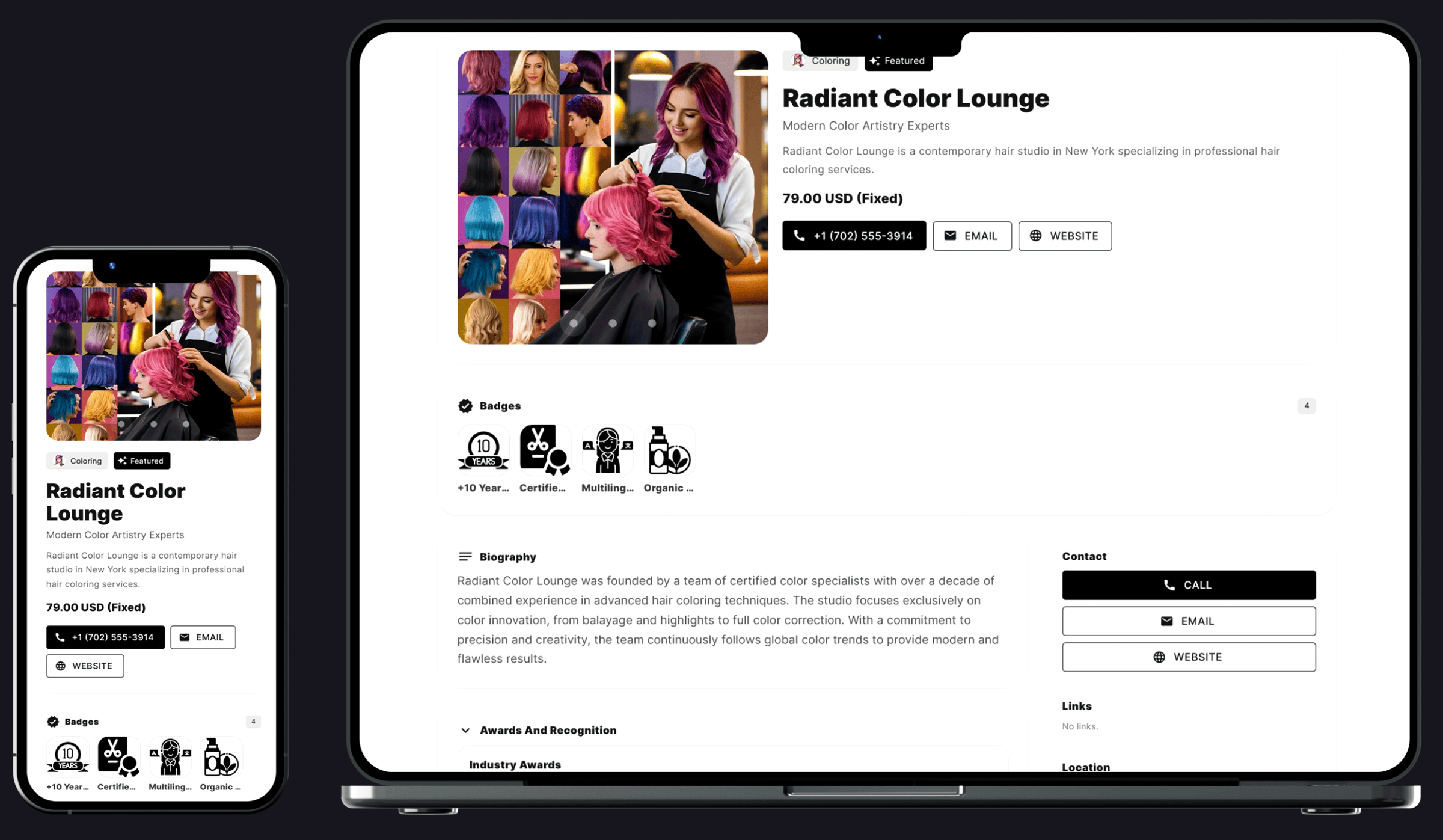
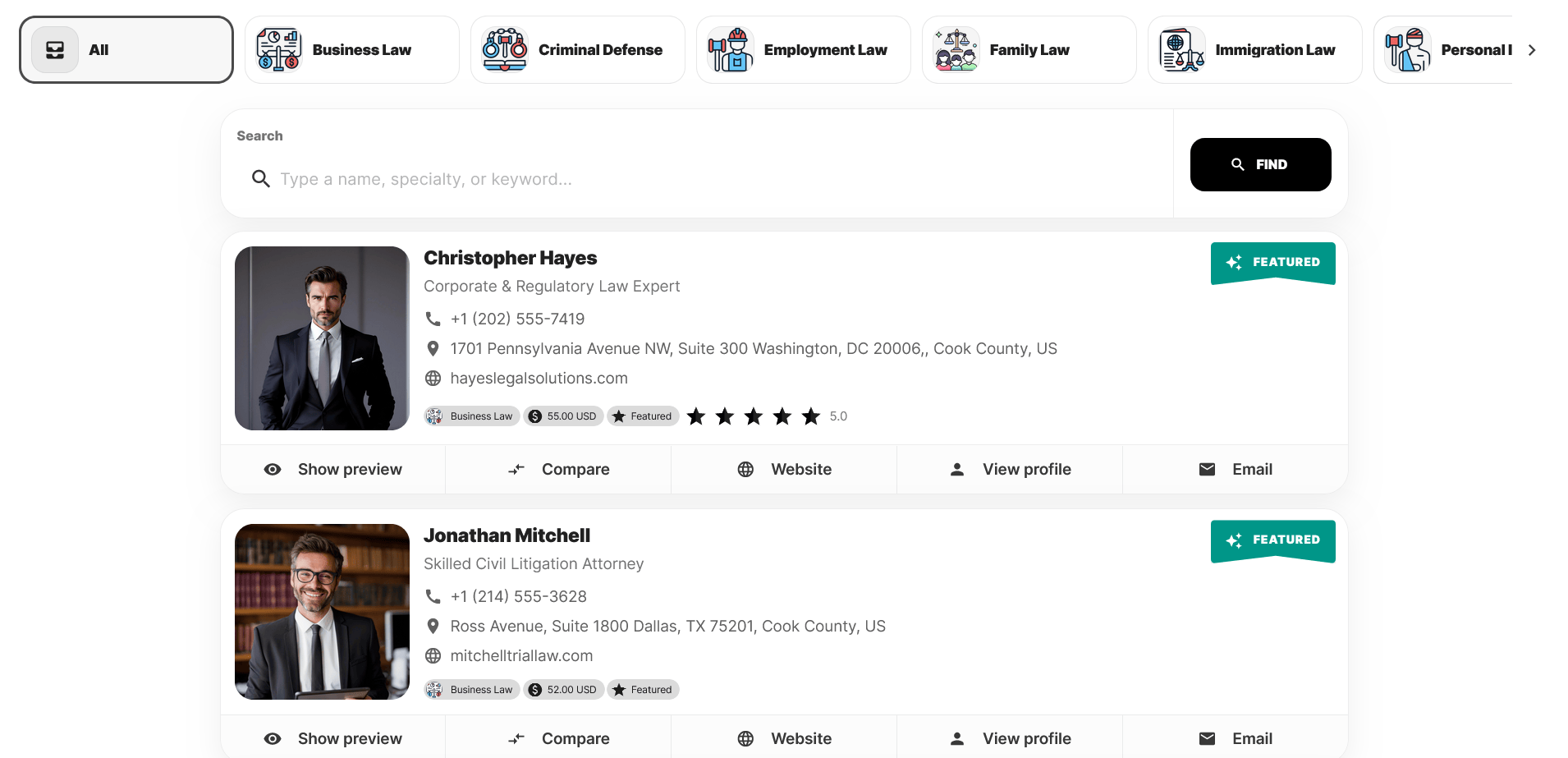
Business Directory Marketplaces
Business directories are one of the easiest marketplace models to scale rapidly.
Examples:
Local business directories
Restaurant directories
Tourism directories
Startup directories
Medical directories
Lawyer directories
Real-estate directories

The strategy is simple:
Onboard many businesses quickly
Charge affordable recurring fees
Monetize visibility and traffic
You can sell:
Featured listings
Sponsored placements
Verified badges
Homepage exposure
Top seller badges
Category ranking boosts
This creates recurring income while businesses compete for visibility and leads.
Example Revenue — Business Directory Marketplace
Imagine:
2,000 businesses
Paying:
$19/month
That creates:
$38,000/month recurring revenue
And sponsored placements or featured listings can significantly increase this number even further.
This is why directory marketplaces can become extremely profitable with relatively low operational costs.
Advertising & Sponsorship Revenue
As your marketplace grows, advertising becomes another major revenue stream.
You can monetize:
Homepage banners
Sponsored products
Featured vendors
Newsletter placements
Seasonal campaigns
Top category placements
Even smaller marketplaces can generate serious income from visibility alone.
For example:
50 vendors
paying:$200/month
for premium visibility
Creates:
$10,000/month additional revenue
From advertising placements alone.
Marketplace Revenue Potential Comparison
After choosing the right niche, the next important question becomes:
“Which marketplace model has the best revenue potential for me?”
The answer depends on:
- Your operational experience
- Your audience
- Your marketing strength
- Your niche
- Your long-term vision
Some marketplace models scale faster.
Some are easier to operate.
Some generate higher margins.
Some create stronger recurring revenue.
The good news is that Selldone Marketplace Builder supports all of them under one unified infrastructure.
| Marketplace Type | Typical Platform Commission | Operational Complexity | Scalability | Example Monthly Revenue Potential | Best For |
|---|---|---|---|---|---|
| Physical Product Marketplace | 5% – 10% | Medium | Extremely High | $30,000 – $100,000+ | Retail brands, local products, fashion, POD |
| Digital File Marketplace | 15% – 30% | Low | Extremely High | $20,000 – $80,000+ | Creators, educators, designers, template sellers |
| Virtual Product Marketplace | 10% – 25% | Very Low | Extremely High | $15,000 – $70,000+ | SaaS licenses, gift cards, gaming, AI credits |
| Service Marketplace | 10% – 20% | Low | Very High | $20,000 – $60,000+ | Freelancers, agencies, booking systems |
| Business Directory Marketplace | Subscription-based | Very Low | Very High | $10,000 – $50,000+ | Local communities, tourism, startups, business networks |
Combining Multiple Revenue Streams
The most successful marketplaces rarely rely on only one revenue source.
Instead, they combine:
- Platform commissions
- Vendor subscriptions
- Sponsored placements
- Featured listings
- Advertising
- Premium badges
- Homepage promotions
This creates a much stronger and more stable business model.
For example:
a marketplace might earn:
- $40,000/month from commissions
- $15,000/month from vendor subscriptions
- $10,000/month from advertising
Creating a diversified revenue engine instead of depending on only one monetization method.
Why This Model Scales So Well
Traditional e-commerce businesses often become operationally difficult as they grow.
More orders usually mean:
- More warehouses
- More employees
- More logistics
- More packaging
- More operational stress
But marketplaces scale differently.
In marketplace businesses:
- Vendors handle inventory
- Vendors handle fulfillment
- Vendors handle operations
The platform focuses on:
- Infrastructure
- Growth
- Marketing
- Vendor acquisition
- Ecosystem expansion
This creates a much more scalable business structure.
The Hidden Advantage: Compounding Vendor Growth
One of the biggest advantages of marketplaces is that every new vendor increases the value of the ecosystem.
Each vendor:
- Adds products or services
- Brings customers
- Creates content
- Expands SEO reach
- Increases marketplace activity
This creates compounding growth over time.
A marketplace with:
-
50 vendors
behaves very differently from a marketplace with: - 500 vendors
And that is where marketplace businesses become incredibly powerful long-term assets.
Why Selldone Changes the Game
Building a robust marketplace from scratch is extremely expensive.
Normally, companies would need:
Backend developers
Frontend developers
DevOps engineers
Security engineers
Payment systems
Vendor systems
Shipping systems
Analytics infrastructure
Maintenance teams
This can easily cost millions of dollars before even validating the business model.
But with Selldone:
Marketplace infrastructure is ready
Vendor systems are ready
Payment systems are ready
Shipping systems are ready
Product systems are ready
Automation systems are ready
Design systems are ready
You simply:
Choose a niche
Onboard vendors
Add products or services
Start growing
Selldone handles the technical complexity so founders can focus on scaling revenue instead of maintaining infrastructure.
Most importantly:
you do not need to worry about:
Platform maintenance
Scaling infrastructure
Technical support
Security architecture
Marketplace engineering
Complicated plugin ecosystems
Built for Long-Term Growth
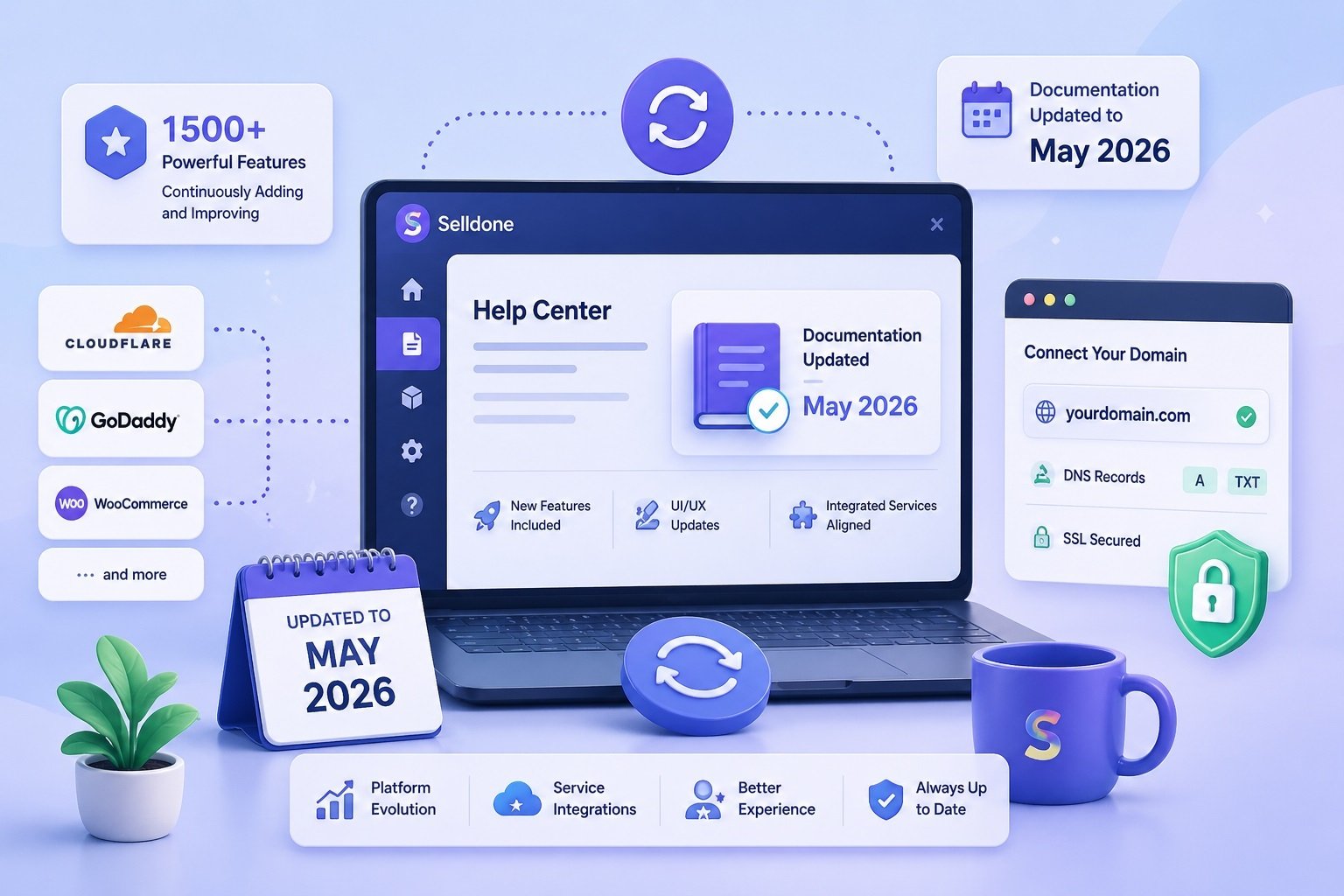
One of Selldone’s biggest advantages is its agile development team.
The platform continuously ships:
New features
New integrations
Better automation
AI tools
Marketplace improvements
Shipping upgrades
Payment integrations
Your marketplace evolves continuously without requiring your own engineering department.
You are not just buying software.
You are joining a continuously evolving business operating system designed for long-term commerce growth.
Final Thoughts
The future belongs to niche marketplaces.
People no longer want giant generic platforms.
They want specialized ecosystems built for their:
Industry
Region
Community
Audience
Culture
Whether you want to build:
A physical product marketplace
A digital asset marketplace
A virtual product ecosystem
A service marketplace
A business directory
Selldone Marketplace Builder gives you the infrastructure to launch fast, scale globally, and focus on revenue instead of technical headaches.
The best part?
You can start small, onboard vendors quickly, validate your niche fast, and grow into a serious marketplace business without rebuilding your platform later.
 Add Comment
Make Your Business Online By The Best No—Code & No—Plugin Solution In The Market.
30 Day Money-Back Guarantee
Create Your E-commerce Store Start now — it's freeSay goodbye to your low online sales rate!