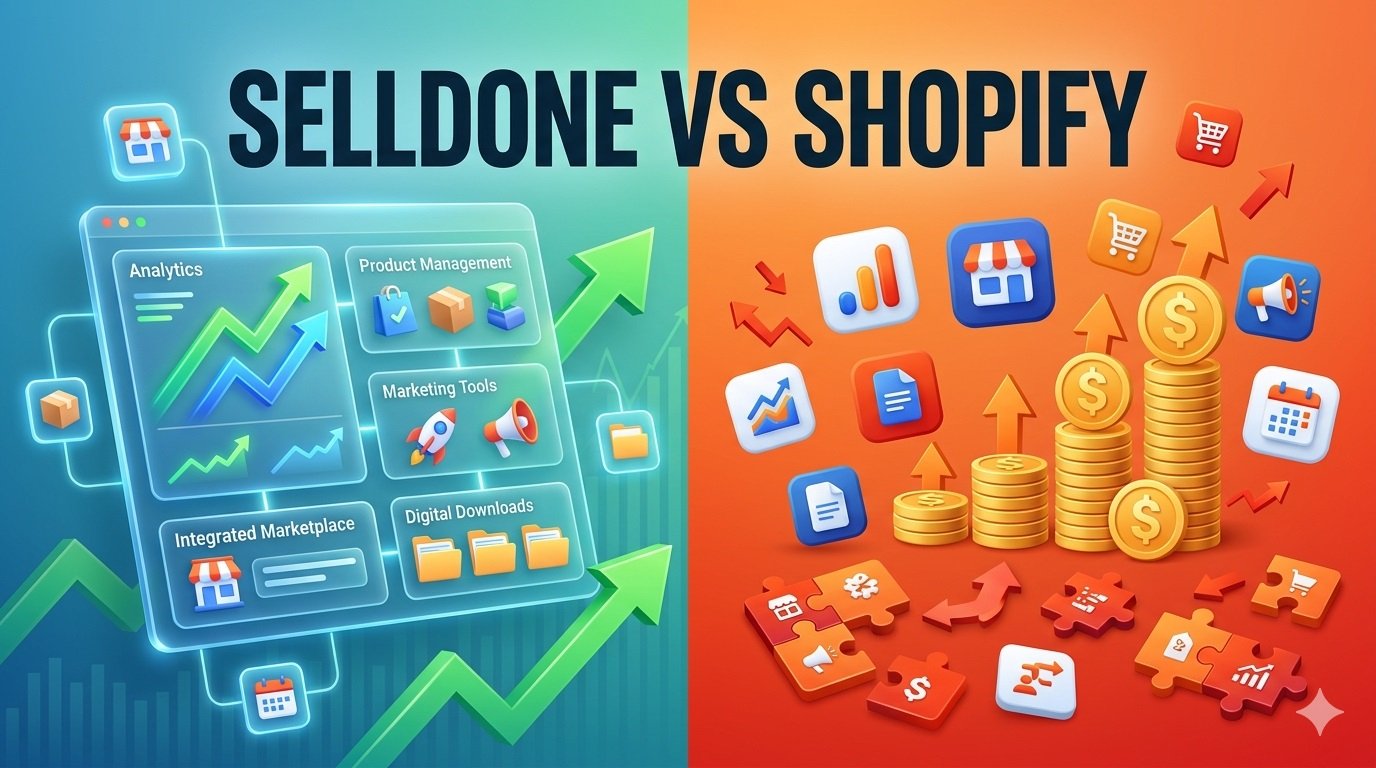
How Selldone Redefines the Future of Marketplaces
A Unified Infrastructure for Every Marketplace Model
The future of commerce does not belong to single-product stores or isolated service websites. It belongs to marketplaces — structured, multi-vendor, scalable ecosystems that empower entire industries rather than individual businesses. If you are building a marketplace today, you are not launching a website; you are architecting an economic environment.
Selldone was built with that exact vision.
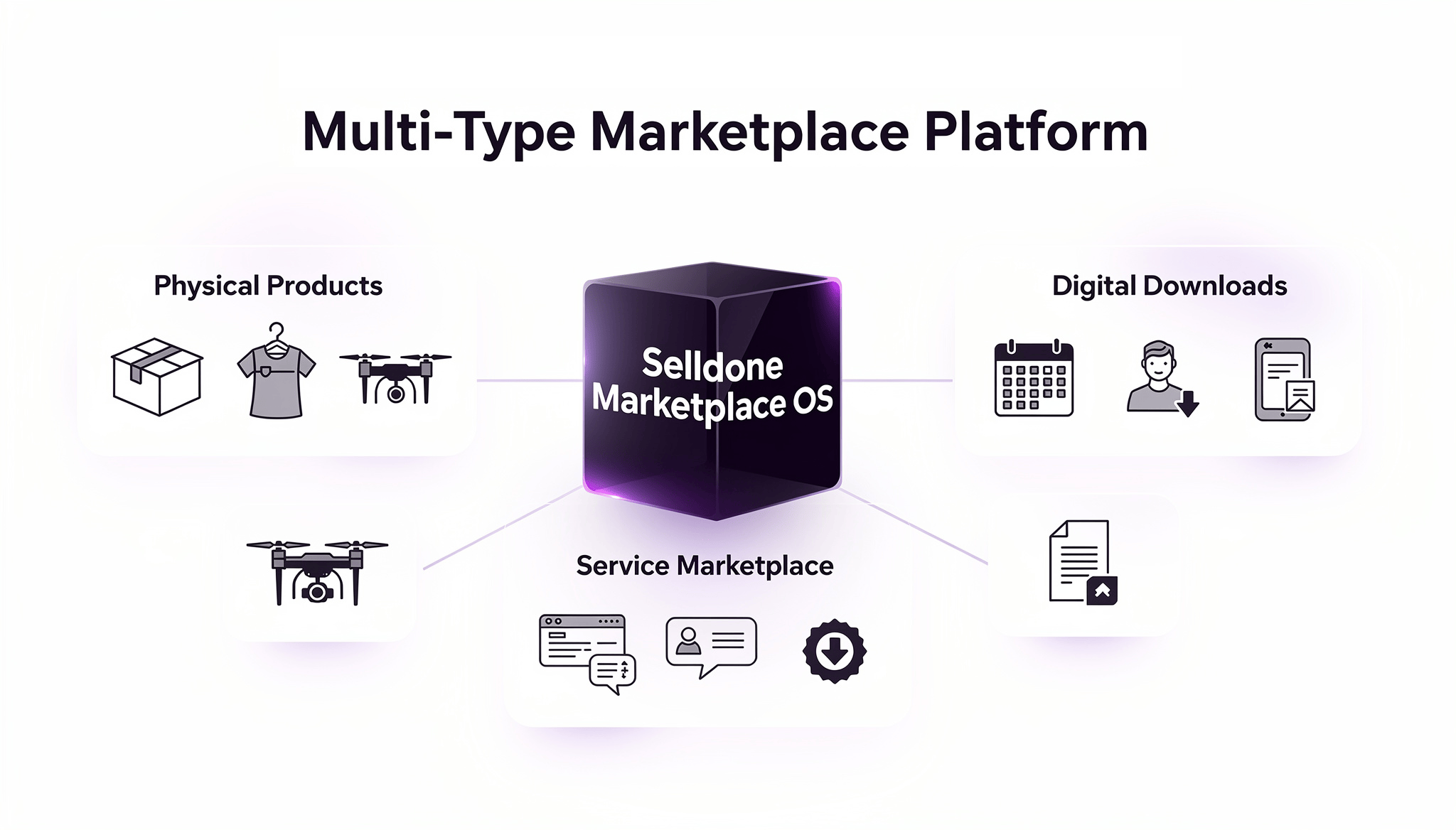
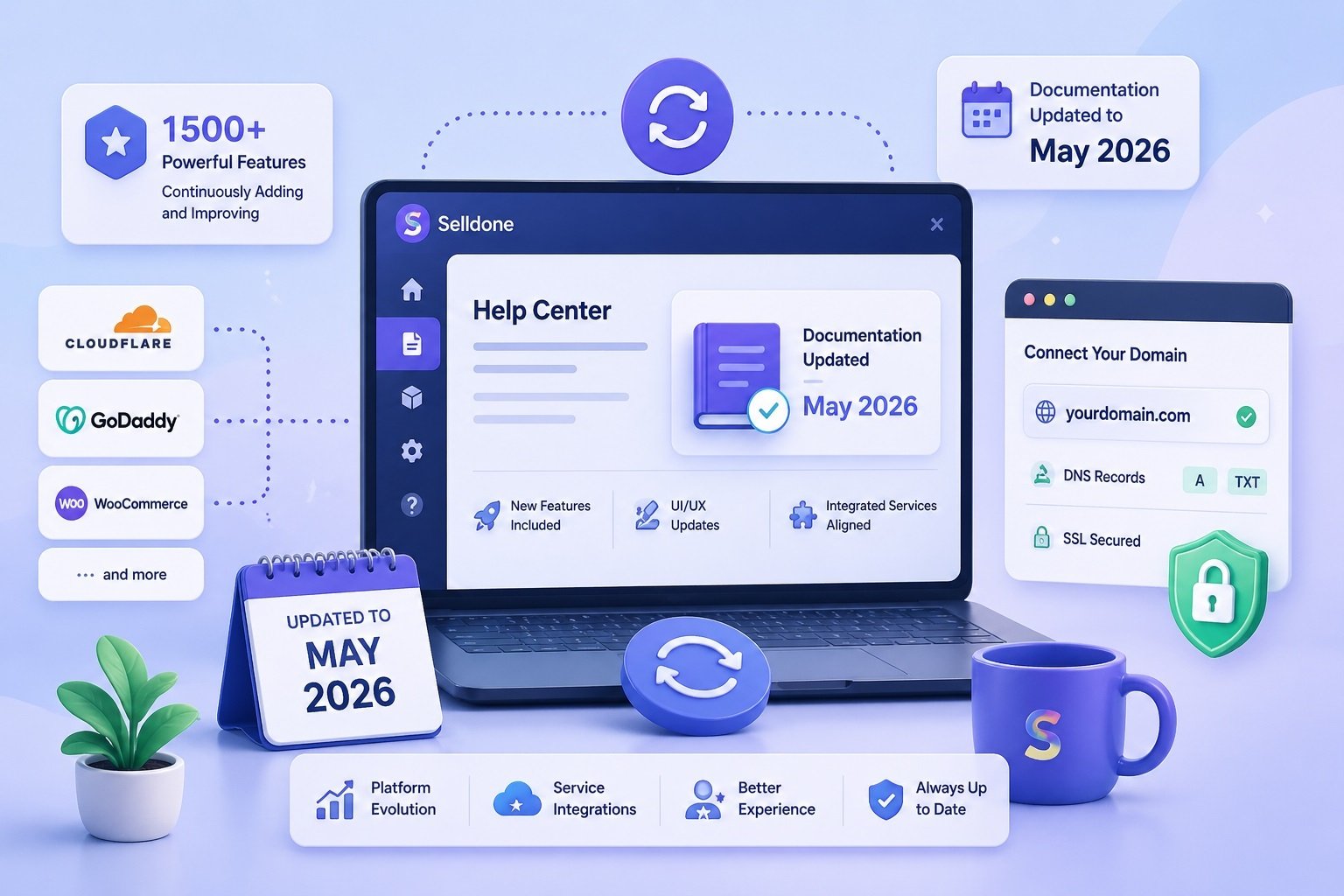
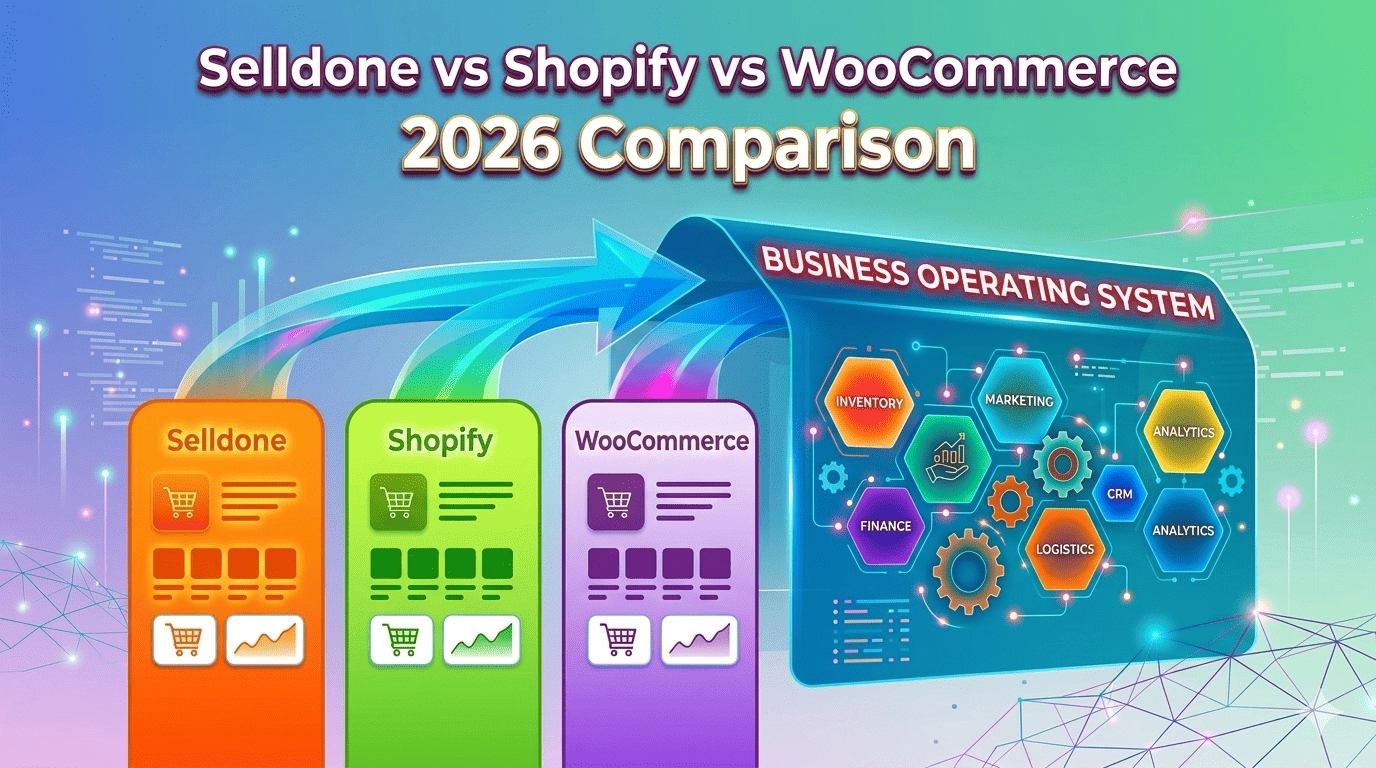
From the beginning, our mission was not to create another e-commerce tool. We set out to build a Business OS — an operating system for digital economies. Over the past four years, Selldone has continuously evolved, expanding its infrastructure, refining its architecture, and aligning with modern technology and design trends to empower marketplace founders who think long-term.
When we say marketplace, we mean every major model that exists today.
Selldone supports:
Service marketplaces
Physical product marketplaces
File marketplaces
License and virtual code marketplaces
All under one unified infrastructure.
🛠️ Service marketplaces
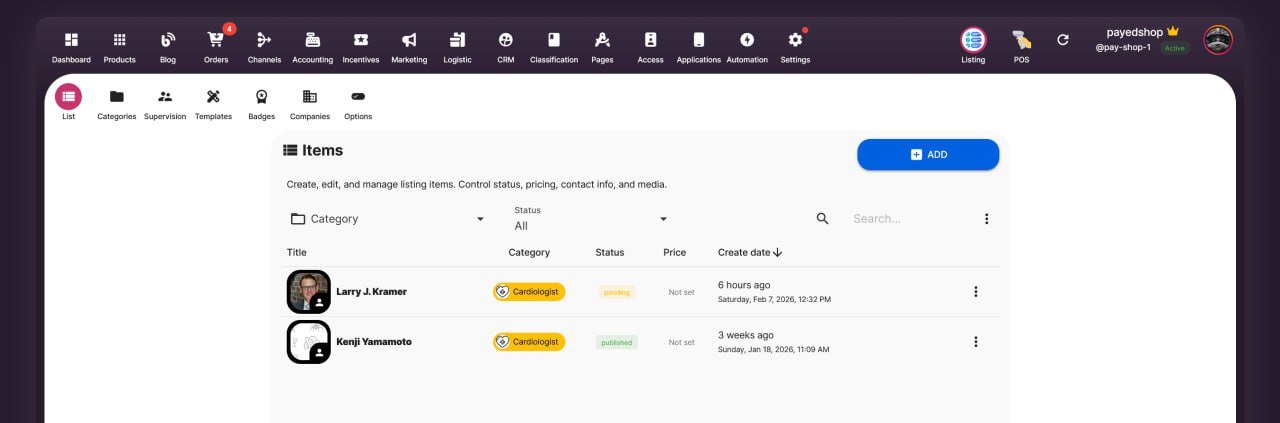
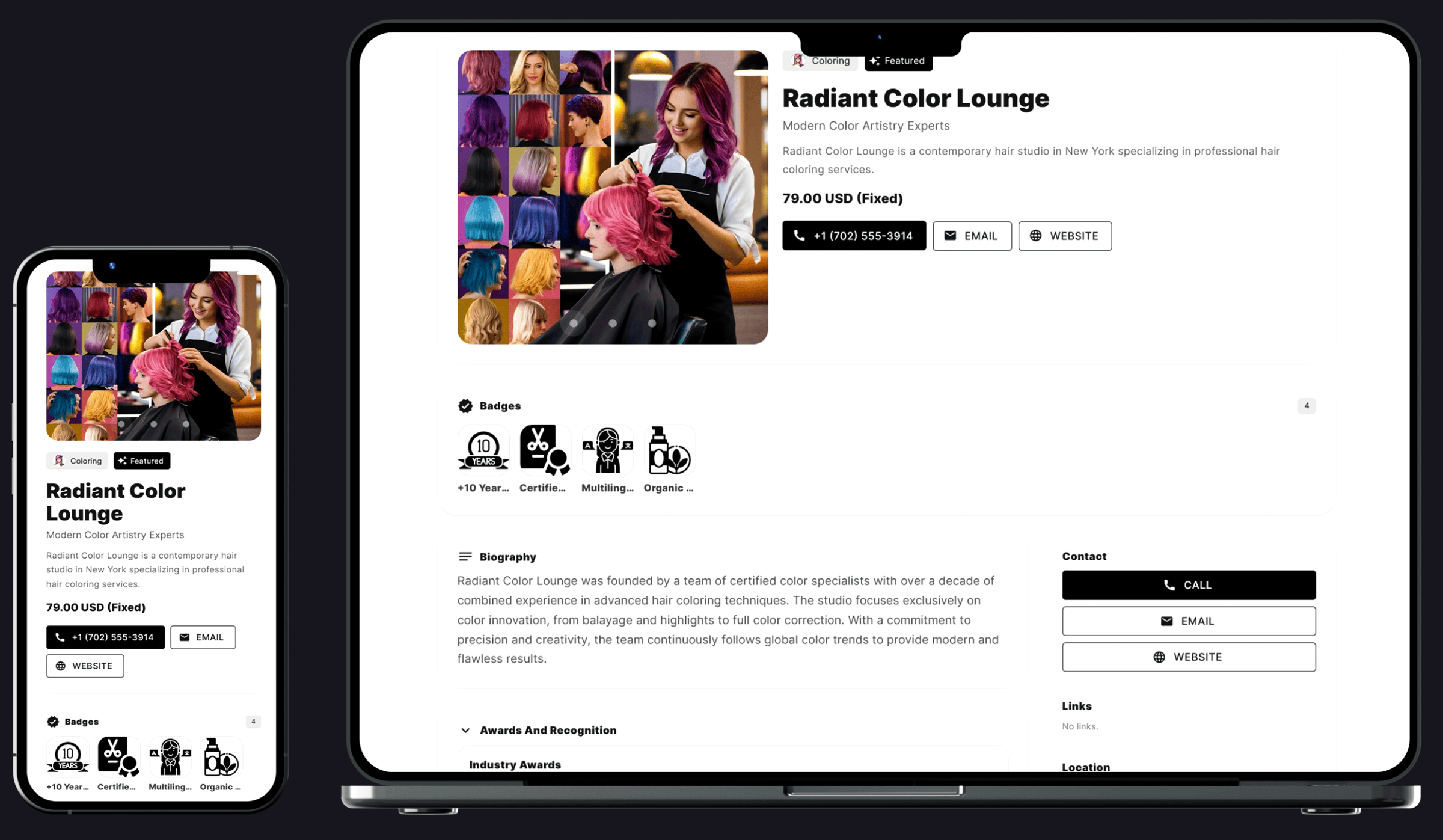
If you want to build a service marketplace where plumbers, doctors, consultants, or agencies offer booking-based services, you can. Vendors can manage structured profiles, define service categories, enable booking logic, and operate inside a platform that feels modern and authoritative.
📦 Physical product marketplaces
If you want to build a physical product marketplace, Selldone allows vendors to sell both online and offline in a unified commerce model. You can operate a local marketplace with Amazon-level capabilities while maintaining a niche-focused design tailored specifically to your audience. With integrated international shipping systems such as Shippo, Shipday, and Shiprocket, logistics become scalable rather than stressful. Marketplace founders no longer need to worry about fragmented shipping workflows or disconnected fulfillment systems.
💾 File marketplaces
If your vision includes a digital download marketplace, vendors can securely sell files, courses, templates, design assets, or software downloads. The infrastructure supports protected distribution and structured vendor management so that digital goods are delivered professionally and reliably.
🔑 License and virtual code marketplaces
If your marketplace focuses on license-based and virtual code products — such as Windows keys, SaaS activation codes, or subscription tokens — Selldone provides secure mechanisms for controlled distribution. Vendors can sell text-based digital assets with confidence, while the platform maintains structured monetization and vendor separation.
Revenue Engineered Into the Core
Monetization is not an optional layer; it is embedded into the architecture. Through integration with modern payment systems such as Stripe Autopayout, revenue can be automatically distributed between marketplace owners and vendors without operational friction. You can activate commission-based models, vendor subscription tiers, sponsored placements, and premium visibility upgrades — all within one system.
This is why we confidently position Selldone as a Business OS. It is not simply a marketplace builder; it is a foundational infrastructure that empowers founders to create scalable, monetizable digital ecosystems. Every year, the platform expands. New features are added. Architecture deepens. Design systems evolve according to global standards in minimalism, usability, and conversion psychology.
Marketplace founders today face a defining choice. They can stitch together multiple tools and manage fragmented systems, or they can build on a unified infrastructure that supports services, products, downloads, and licenses inside one coherent environment.
Selldone was built for founders who choose structure over fragmentation, authority over noise, and scalability over limitation.
Part I — The Evolution of the Marketplace Economy
Why Platforms Now Dominate Every Industry
The Shift From Businesses to Ecosystems
For decades, digital commerce revolved around individual businesses building standalone websites. A company would create a store, promote its products or services, and compete for traffic. That model still exists, but it is no longer the dominant force in the digital economy.
The real power has shifted toward ecosystems.
An ecosystem does not sell a single product. It orchestrates an environment where multiple participants create value simultaneously. Airbnb does not own properties; it connects hosts and guests inside a structured framework. Amazon does not manufacture every product; it empowers millions of sellers through centralized infrastructure. Zillow does not sell houses; it organizes real estate data into a trusted discovery system.
This structural shift is not accidental. It is economic logic.
When you build a marketplace instead of a single-store business, you move from being a participant in the economy to becoming a coordinator of it. You are no longer limited by your own inventory, your own time, or your own service capacity. Instead, you create a platform where others expand the ecosystem on your behalf.
Marketplace founders who understand this distinction stop thinking like store owners and start thinking like infrastructure builders.
Why Marketplaces Scale Faster Than Single Businesses
The scalability advantage of marketplaces is structural, not promotional. A traditional business scales linearly. More sales require more inventory, more staff, more operational overhead. A marketplace scales through participation. As more vendors join, the value of the platform increases. As more customers arrive, vendor incentive strengthens. This feedback loop accelerates growth.
Marketplace models benefit from:
Network effects that increase platform value as participation grows
Diversified supply sources reducing operational dependency
Revenue streams that compound through commissions or subscriptions
Category expansion without inventory ownership
This dynamic creates resilience. A single-store business can be disrupted by market shifts or supply limitations. A structured marketplace distributes risk across vendors and categories.
For founders, this means one critical thing: building a marketplace is building leverage.
Instead of competing for every transaction manually, you design a system where transactions multiply organically.
Trust as Centralized Infrastructure
In fragmented online markets, trust is decentralized and inconsistent. Customers must evaluate each provider individually, which increases friction and reduces conversion. Marketplaces solve this by centralizing trust.
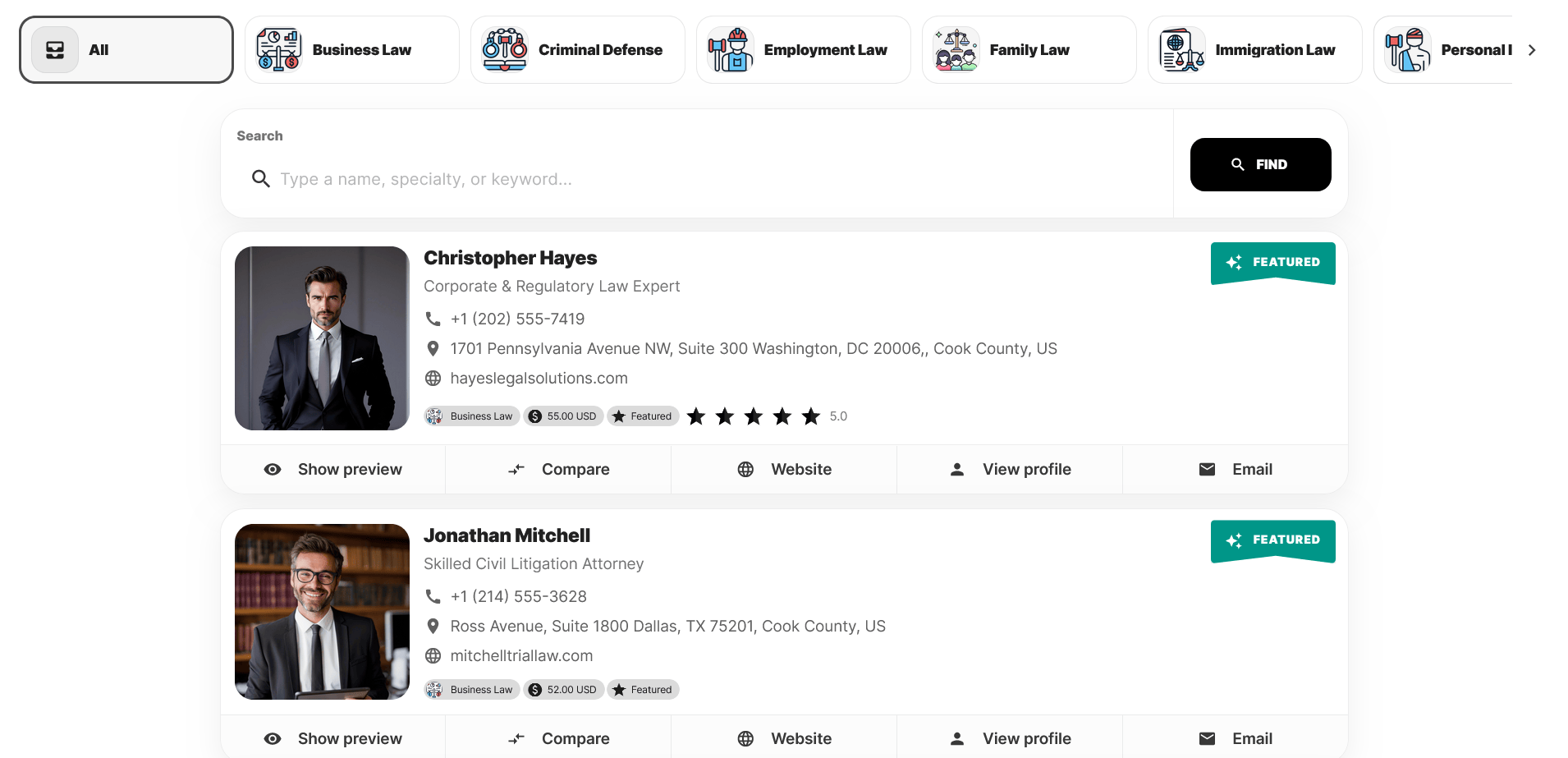
Structured profiles, verified badges, categorized services, transparent pricing models, review systems, and consistent design patterns reduce uncertainty. When users trust the environment, they extend that trust to participants inside it.
This is why platforms outperform directories.
A directory lists information.
A marketplace engineers trust.
The difference lies in structure.
A properly built marketplace includes:
Clear vendor identity and role separation
Standardized profile formatting
Secure payment processing
Transparent monetization logic
Controlled onboarding workflows
When these systems operate cohesively, users feel that they are interacting with a managed ecosystem rather than random listings.
Trust becomes infrastructural, not optional.
The Psychology of Structured Platforms
Human decision-making is influenced by perceived order. When environments appear organized, consistent, and intentionally designed, users interpret them as more credible. This is not subjective preference; it is behavioral psychology.
Minimal layouts reduce cognitive load. Categorization simplifies navigation. Structured vendor profiles create comparability. Clear pricing units eliminate ambiguity. These design decisions directly impact conversion rates and long-term retention.
Marketplace founders who ignore psychology build noisy platforms. Founders who understand it build structured authority.
Authority in digital marketplaces is communicated through:
Consistent visual hierarchy
Logical information architecture
Predictable user journeys
Balanced control between platform and vendors
Transparent monetization mechanisms
The most successful marketplace platforms do not feel complicated. They feel controlled. That control communicates competence. Competence generates trust. Trust generates transactions.
The Fragmentation Problem Modern Founders Face
Today’s founders face a common dilemma. They can attempt to assemble a marketplace by stitching together multiple disconnected tools — one for payments, one for vendor management, one for shipping, one for digital delivery, one for booking logic. While this may appear flexible, it introduces complexity at scale.
Fragmented systems lead to:
Inconsistent vendor experiences
Operational friction in revenue distribution
Technical maintenance overhead
Reduced scalability
Increased dependency on third-party integrations
A marketplace cannot feel unified if its infrastructure is fragmented.
This is why modern marketplace architecture must be centralized at the core while remaining flexible at the edges.
From Digital Storefronts to Digital Economies
The most important realization for marketplace founders is this: you are not building a website. You are designing a micro-economy.
Inside that economy:
Vendors generate supply
Customers generate demand
Infrastructure coordinates exchange
Monetization layers capture value
When built correctly, this system becomes self-reinforcing. More vendors attract more customers. More customers attract more vendors. Revenue scales without direct inventory ownership. Categories expand without operational chaos.
The future of commerce does not belong to isolated storefronts competing for attention. It belongs to structured marketplaces that coordinate participation intelligently.
Founders who adopt this mindset early position themselves not as sellers, but as platform operators.
And platform operators shape industries
 Add Comment
Make Your Business Online By The Best No—Code & No—Plugin Solution In The Market.
30 Day Money-Back Guarantee
Create Your E-commerce Store Start now — it's freeSay goodbye to your low online sales rate!