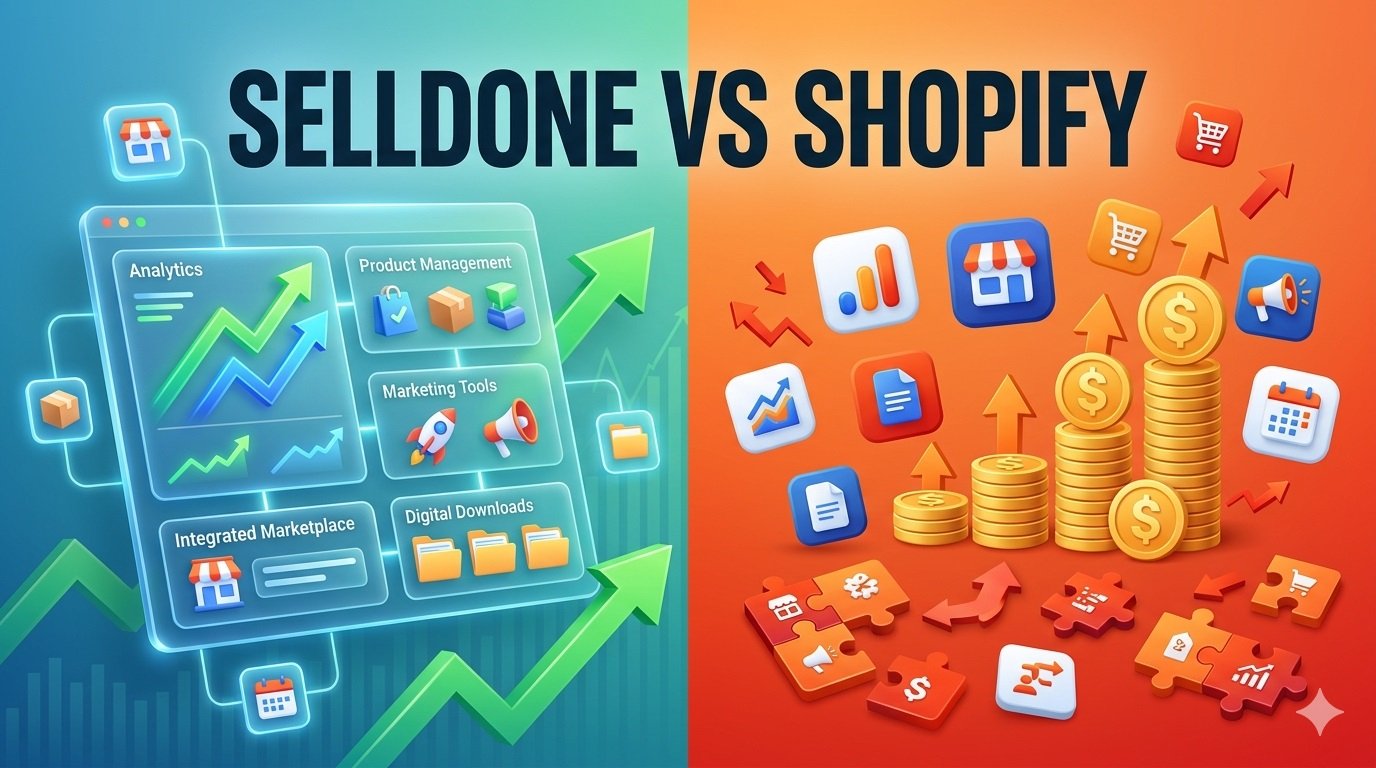
Selldone vs Shopify vs WooCommerce: Why the Future of E-Commerce Is a Business Operating System
Executive Summary: The End of the “Online Store” Era
The digital commerce landscape of 2026 looks radically different from what it did even five years ago.
The idea of running a simple “online store” is no longer enough. Modern businesses operate complex digital ecosystems that include:
Global logistics
Multi-vendor marketplaces
Digital product delivery
Subscription models
Service booking systems
Marketing automation
International taxation and payments
These operations require something far more powerful than a storefront builder.
They require a Business Operating System (BOS).
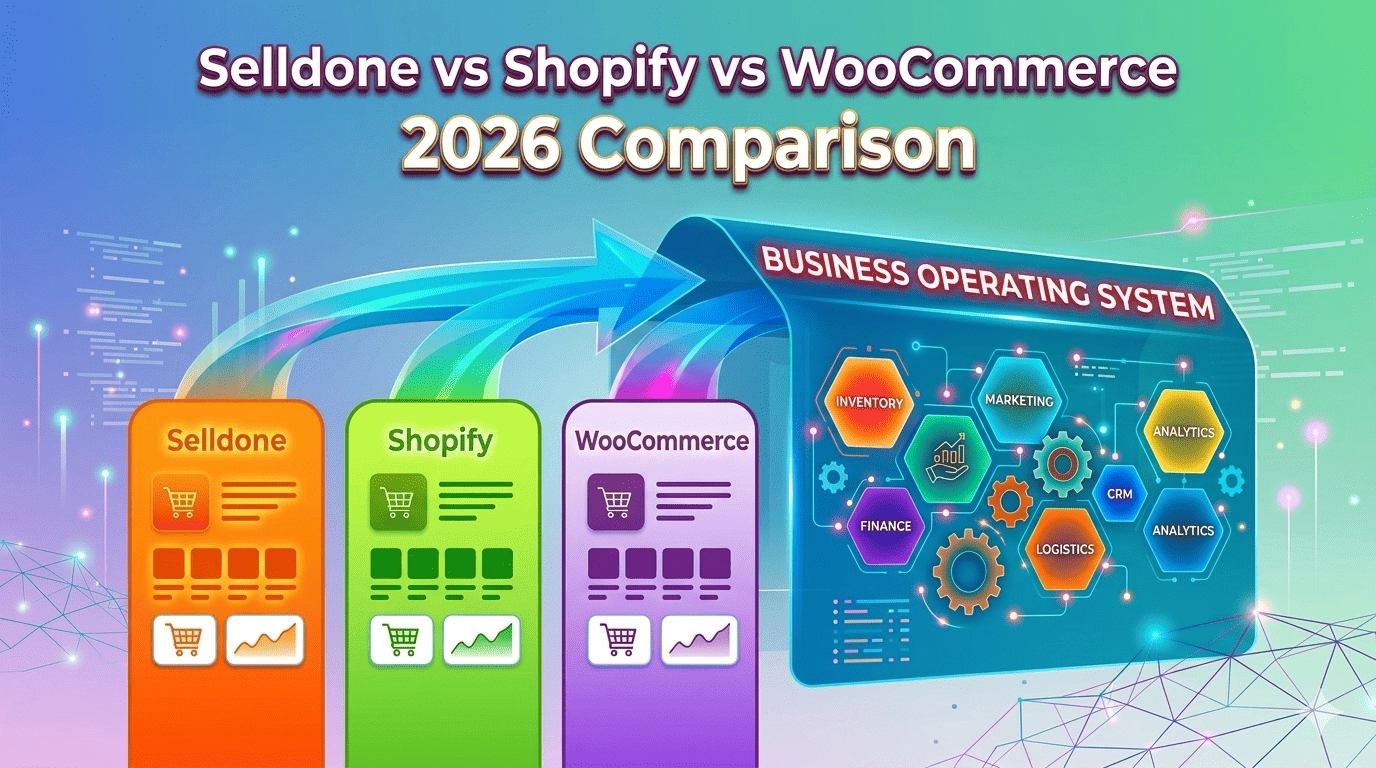
For more than a decade, platforms like Shopify and WooCommerce have dominated the ecommerce landscape. But these systems were designed for a different era of commerce.
Shopify and WooCommerce rely heavily on plugin-based architectures, where essential functionality must be added through third-party applications.
This creates several structural problems:
growing operational complexity
security vulnerabilities
performance degradation
escalating monthly software costs
Selldone introduces a fundamentally different architecture.
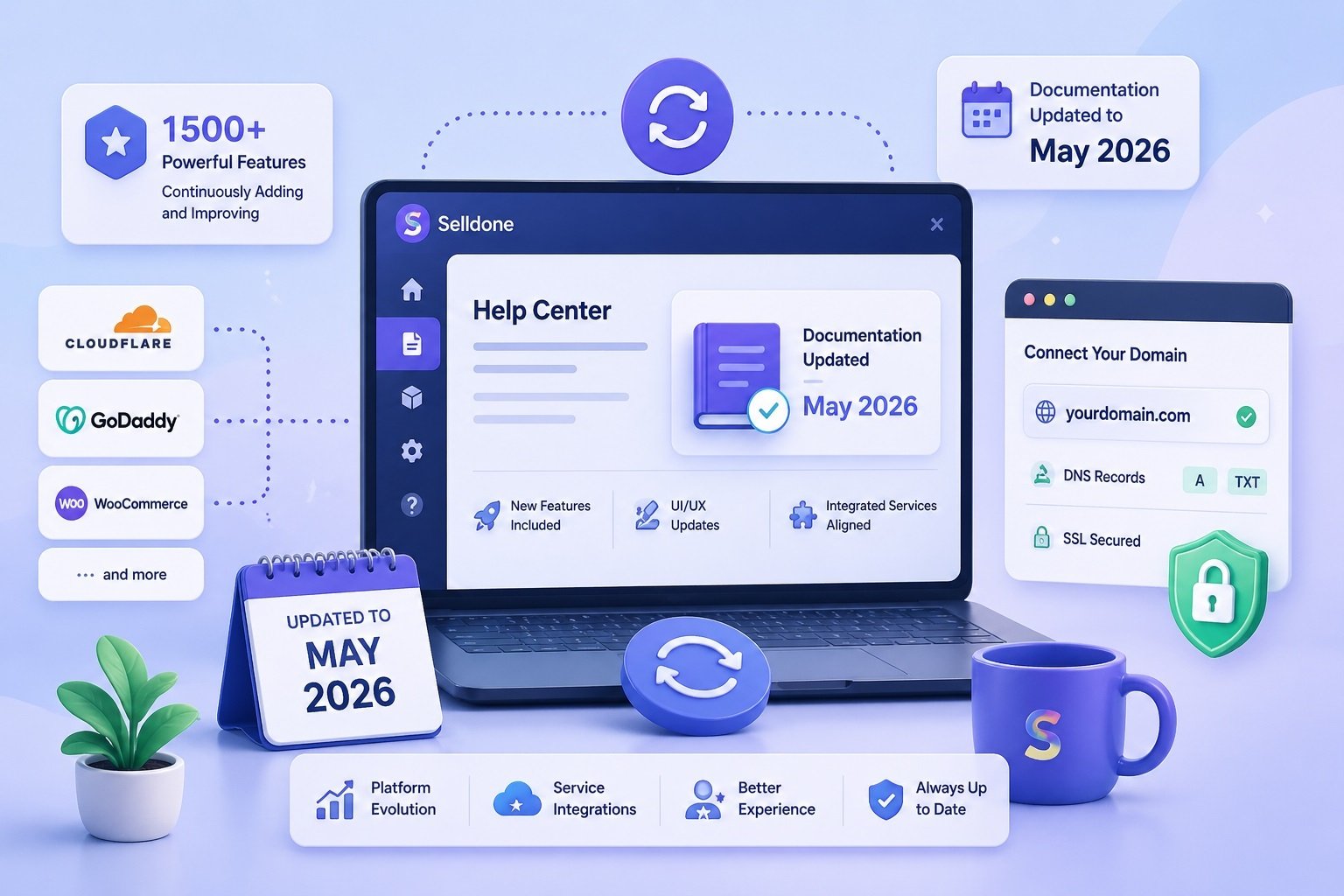
Instead of assembling businesses through plugins, Selldone delivers a unified Business Operating System with over 1,500 enterprise-grade features built directly into the platform.
This allows founders to focus on scaling their businesses instead of managing dozens of software integrations.
I. The Core Philosophy: The “No-Plugin” Architecture
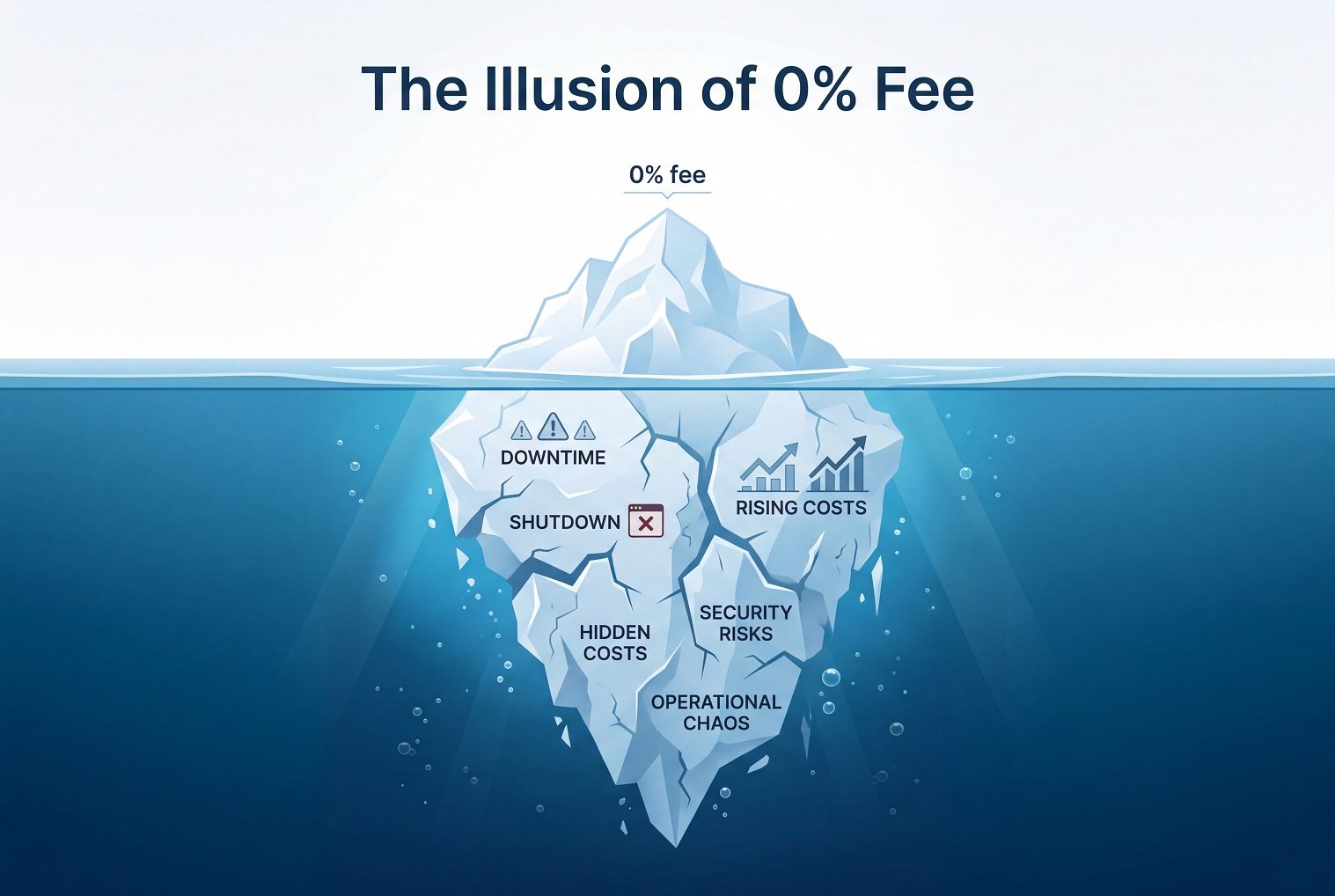
The Hidden Cost of Plugin Ecosystems
In the modern ecommerce stack, plugins are everywhere.
Need customer reviews? Install a plugin.
Need abandoned cart recovery? Install a plugin.
Need subscriptions or loyalty programs? Install another plugin.
Platforms like Shopify and WooCommerce have built massive ecosystems of third-party applications.
While this ecosystem initially appears flexible, it introduces several serious problems for growing businesses.
Security Risks
Each plugin introduces external code into the store’s infrastructure.
If even one plugin becomes outdated or poorly maintained, it can expose the entire business to security vulnerabilities.
Many ecommerce data breaches originate from outdated plugins rather than the core platform itself.
Performance Degradation
Plugins often load scripts from external servers. When dozens of plugins operate simultaneously, websites become slower.
Slow websites harm:
SEO rankings
conversion rates
mobile performance
user experience
In today’s search environment, performance directly impacts visibility and revenue.
The Plugin Cost Trap
A store that begins with a simple monthly subscription often becomes significantly more expensive.
Typical plugin costs range from $20 to $100 per month per feature.
Common recurring expenses include:
review systems
email automation
loyalty programs
affiliate systems
subscription billing
analytics tools
For many Shopify merchants, app subscriptions alone can exceed $300–$1,000 per month.
The Selldone Approach: Everything Built In
Selldone eliminates the plugin architecture entirely.
Instead, the platform integrates more than 1,500 enterprise features directly into the core system.
These include:
advanced discount engines
affiliate marketing infrastructure
POS systems
marketplace engines
booking and rental systems
digital product delivery
global logistics tools
built-in analytics
Because these capabilities are native to the platform:
compatibility conflicts disappear
performance remains optimized
operational costs drop dramatically
Selldone transforms ecommerce infrastructure from a fragmented ecosystem into a single cohesive operating system.
II. Architecture Comparison: BOS vs SaaS vs Plugin CMS
The difference between Selldone and traditional ecommerce platforms begins at the architectural level.
| Architecture Layer | Selldone | Shopify | WooCommerce |
|---|---|---|---|
| Platform Type | Business Operating System | Hosted SaaS Store Builder | CMS Plugin |
| Core Design Philosophy | All-in-one infrastructure | Extend via apps | Extend via plugins |
| Native Business Tools | 1,500+ | ~50 | <20 |
| Third-Party Dependency | None required | High | Very High |
| System Stability | Fully unified | App compatibility risk | Plugin conflict risk |
| Performance | Optimized core engine | App dependent | Hosting dependent |
| Maintenance | Fully automated | Low | High |
This architectural difference fundamentally changes how businesses operate online.
III. Feature Availability Comparison
One of the biggest differences between Selldone and legacy platforms is how features are delivered.
| Capability | Selldone | Shopify | WooCommerce |
|---|---|---|---|
| Loyalty programs | Native | App required | Plugin required |
| Affiliate marketing | Native | App required | Plugin required |
| Multi-vendor marketplace | Native | Expensive apps | Complex plugins |
| POS system | Built-in | Paid system | Plugin |
| Booking system | Native | App required | Plugin |
| Subscription billing | Native | App required | Plugin |
| Advanced discounts | Native | Limited | Plugin |
| Multi-language | Native | App required | Plugin |
| Multi-currency | Native | Limited | Plugin |
| Analytics | Native | Basic | Plugin |
| Automation workflows | Native | App required | Plugin |
With Selldone, businesses launch with a full enterprise toolkit on day one.
IV. Hyper-Agile Innovation: A Platform That Listens
Traditional Platforms Move Slowly
Large platforms like Shopify operate with rigid roadmaps.
Individual merchants have almost no influence over feature development.
If a business needs a specific capability, they must rely on:
third-party developers
expensive custom integrations
waiting years for official updates
Selldone’s Agile Development Model
Selldone operates with a hyper-agile development team that works closely with real businesses.
When merchants identify functional gaps or new opportunities, the team evaluates these requests quickly.
Many features are shipped in record time.
This development model allows Selldone merchants to:
adapt faster to market changes
implement new business models quickly
stay ahead of competitors
In the rapidly evolving ecommerce landscape, this agility is a significant competitive advantage.
V. Marketplace Infrastructure: Built for the Platform Economy
The global economy is shifting toward marketplace models.
Platforms like Amazon, Airbnb, and Etsy dominate their industries by enabling third-party sellers and service providers.
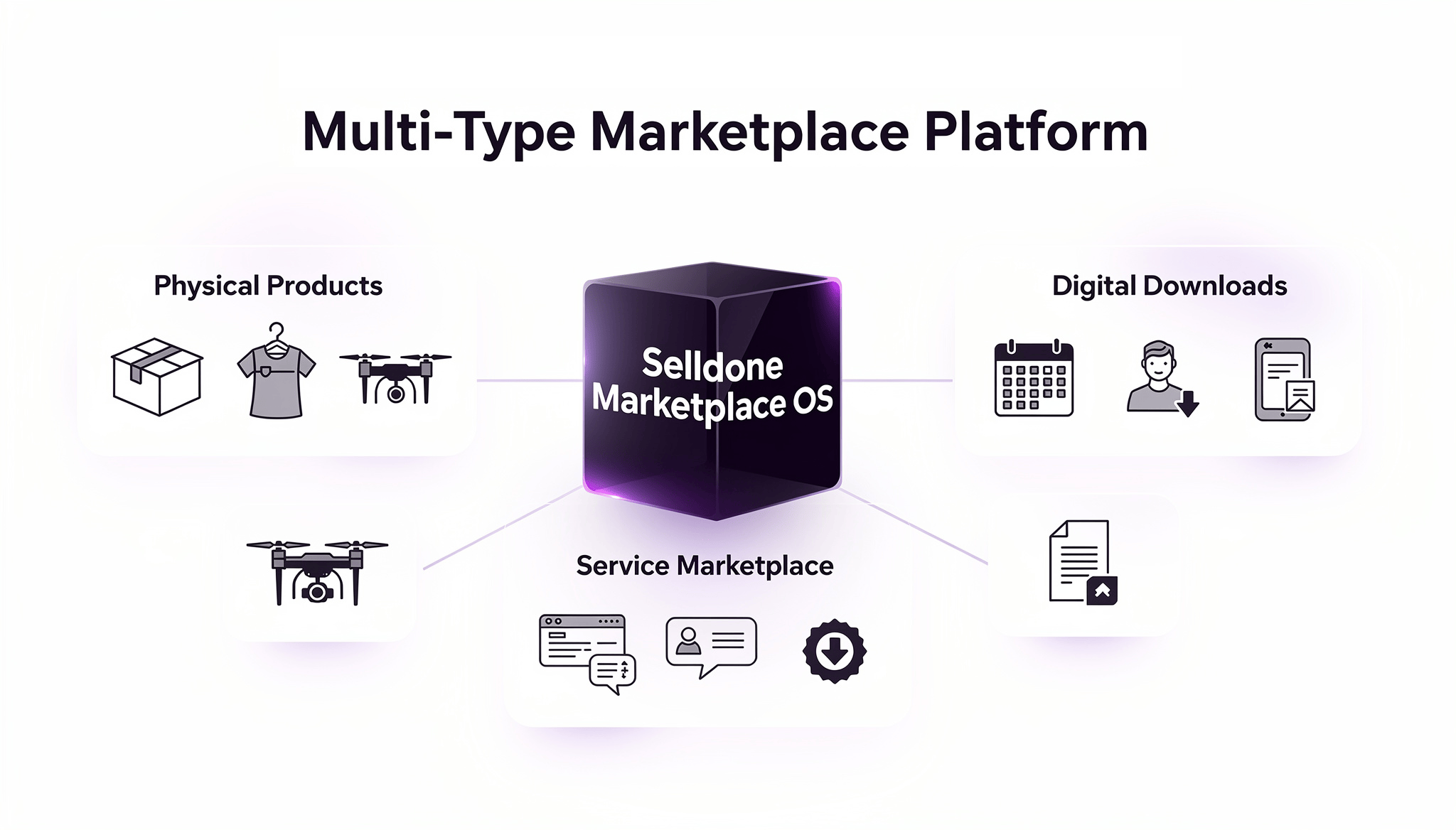
Selldone includes native infrastructure for marketplace businesses.
Physical Product Marketplaces
Entrepreneurs can build Amazon-style marketplaces where vendors manage their own catalogs.
Selldone handles:
vendor dashboards
automated commission structures
vendor onboarding
split payments
inventory tracking
Service Marketplaces
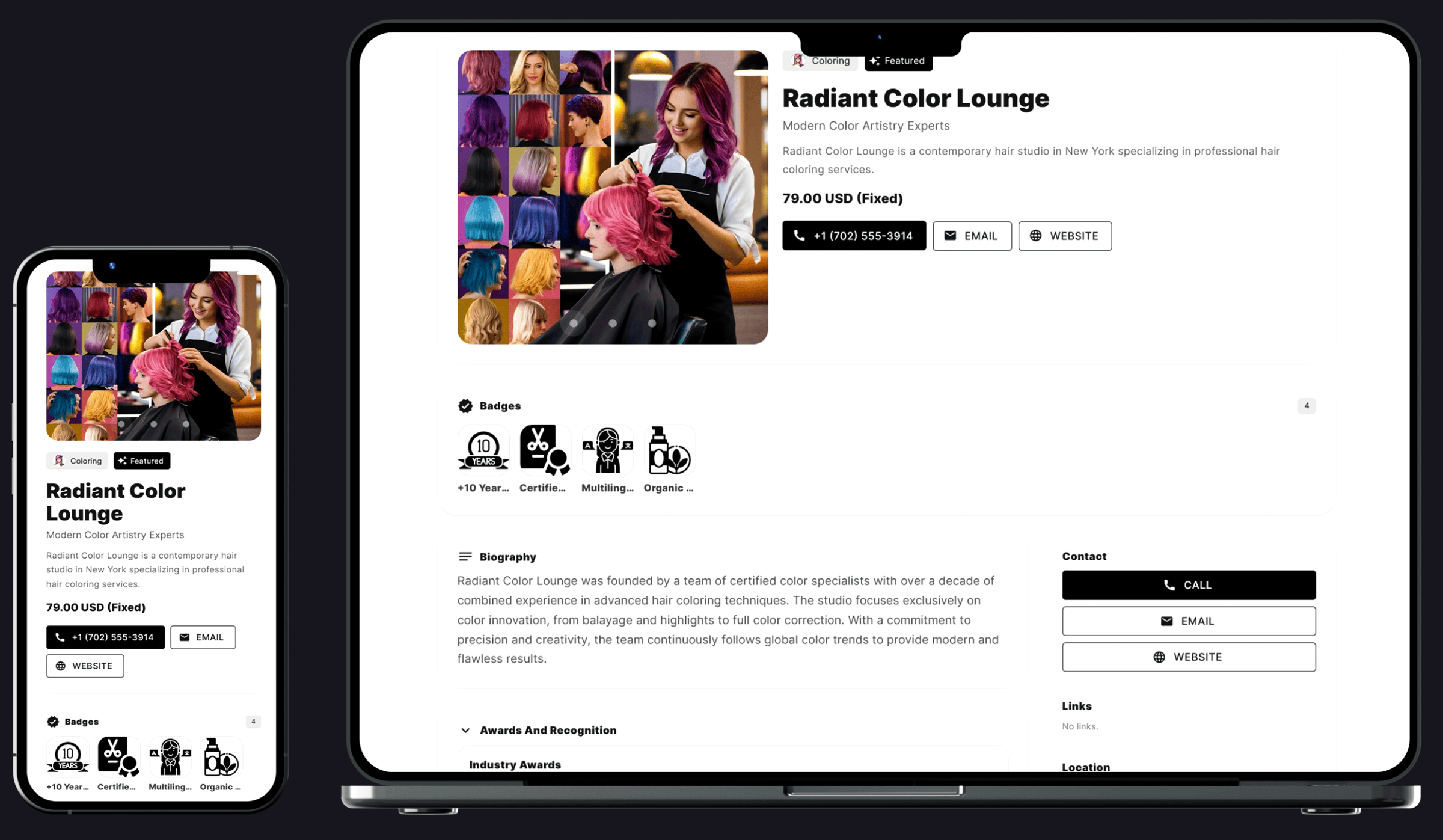
Selldone also supports service-based platforms.
Businesses can build marketplaces for:
consulting
professional services
rentals
bookings
Features include scheduling, availability management, and location-based search.
Digital Marketplaces
Selldone also powers digital economies.
Entrepreneurs can launch marketplaces for:
online courses
digital downloads
memberships
subscription platforms
All of these capabilities exist natively inside the platform.
VI. Global Commerce Capabilities
International expansion is one of the biggest challenges in ecommerce.
Most platforms require multiple plugins to manage localization.
Selldone solves this problem natively.
| Global Feature | Selldone | Shopify | WooCommerce |
|---|---|---|---|
| Country support | 193 countries | Limited | Hosting dependent |
| Multi-language | Native | App required | Plugin required |
| Currency management | Native | Limited | Plugin required |
| Regional payment gateways | Built-in | Limited | Plugin |
| International tax tools | Native | App required | Plugin |
| Cross-border shipping tools | Native | Limited | Plugin |
This global-first design allows businesses to scale internationally without additional infrastructure.
VII. Total Cost of Ownership Comparison
When businesses evaluate ecommerce platforms, the monthly subscription price rarely reflects the true cost.
| Cost Category | Selldone | Shopify | WooCommerce |
|---|---|---|---|
| Platform subscription | Competitive | $29–$299+ | Free |
| Required apps/plugins | None | $100–$1000+/month | $50–$500/month |
| Hosting | Included | Included | $20–$200/month |
| Maintenance | Automated | Low | High |
| Development cost | Minimal | Medium | High |
| True monthly cost | Low | Medium–High | Variable |
Selldone significantly reduces Total Cost of Ownership (TCO) by eliminating plugin subscriptions.
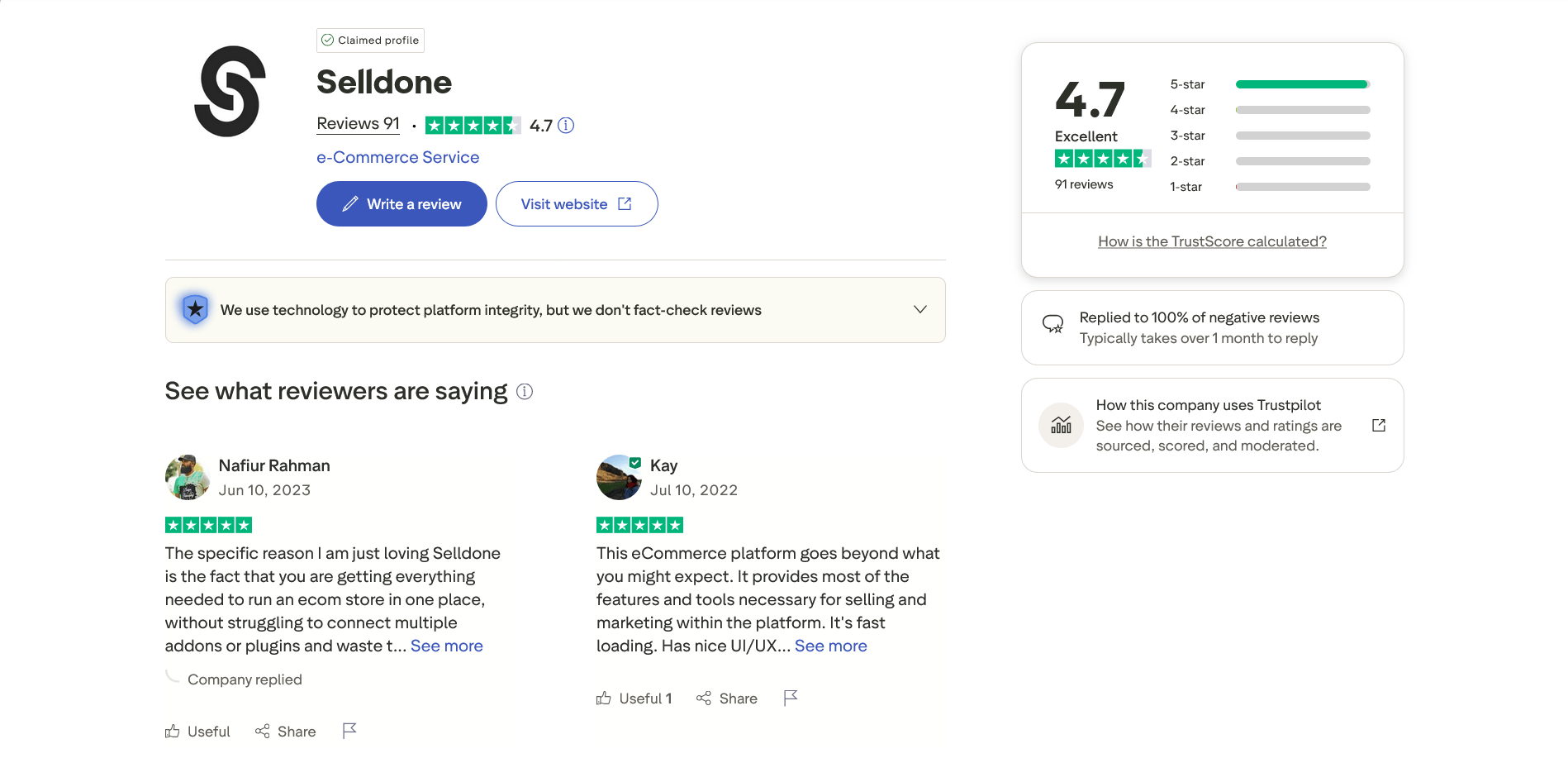
VIII. Verified Social Proof
Selldone’s approach is validated by the experiences of real businesses.
Across major review platforms including:
G2
Capterra
Trustpilot
Users consistently highlight:
lower operational costs
faster marketplace launches
simplified workflows
responsive support teams
Many entrepreneurs report launching complex marketplace platforms in days instead of months.
IX. The Future of Ecommerce Platforms
The era of plugin-heavy ecommerce websites is rapidly coming to an end.
Businesses no longer want to assemble fragile systems made from dozens of integrations.
They want platforms that function as complete operational environments.
Selldone represents the next generation of ecommerce infrastructure.
By combining:
1,500+ native features
real-time development agility
global-first architecture
built-in marketplace technology
Selldone enables entrepreneurs to build entire digital economies, not just online stores.
From solo founders launching their first product to global multi-vendor marketplaces, Selldone provides the infrastructure needed to scale at the speed of modern commerce.
 Add Comment
Make Your Business Online By The Best No—Code & No—Plugin Solution In The Market.
30 Day Money-Back Guarantee
Create Your E-commerce Store Start now — it's freeSay goodbye to your low online sales rate!